Female doctor reviewing a screening checklist on a tablet with a patient around age 50

Useful tests, sensible follow-up

50 important tests to consider when you turn 50.

A practical guide to tests by age, sex, family history, symptoms, and risk: fasting, cost, risk, time off work, what each test measures, broad normal ranges, false abnormal results, and the next step if something is not right.

No one should get every test here: this is a reference library. The count depends on whether a panel is counted once, like FBC, or by each parameter, like Hb and WCC. The useful question is, "Which tests fit my age, sex, symptoms, family history, previous results, and risk?"

Highest-yield prevention

Heart, stroke, and diabetes risk deserve front-page attention.

Worldwide, cardiovascular disease still causes more deaths than any cancer group. The useful midlife move is not one dramatic scan; it is BP, lipids, diabetes risk, smoking, kidney function, weight/waist, symptoms, and family history in one joined-up review.

Languages

Translate the full page.

Use the selector to open this whole site through Google Translate. The English button always returns to the original page if a translated version becomes hard to navigate.

Common languages
Back to English

Principles

Screening is useful. Overtesting is not.

A yearly preventive visit is common in the United States and can be useful: it keeps a doctor-patient relationship alive, checks blood pressure, updates medicines and vaccines, and creates space for symptoms people might otherwise ignore. But there are 190-plus other countries, and preventive care has to respect local screening programs, costs, access, ancestry, infectious disease patterns, occupational exposures, and health-system reality. The weaker part everywhere is the automatic "full panel" or full-body scan in healthy people every year.

A better model is simple: use age-appropriate checkpoints at 20, 30, 40, 50, 60, 70 and beyond; check blood pressure more often; use targeted blood tests when risk, age, medicines, symptoms, or prior results justify them; and treat real problems properly when found.

Use the cards below to weigh the pros and cons of routine use without symptoms, understand likely cost and inconvenience, and know what a sensible next step usually looks like. Local costs and normal ranges vary by country, laboratory, insurance, and public health program.

Mild or borderline abnormalities are common. Many need repeat testing, better preparation, or context from symptoms, medicines, alcohol, exercise, hydration, infection, and lab variation before anyone should assume disease.

Otherwise healthy examples

Suggested checks by decade, not a menu to order everything.

These examples are deliberately conservative. Symptoms, obesity, high BP, smoking, pregnancy history, medicines, alcohol, family history, inherited cancer risk, and inherited lipid disorders can move tests earlier.

20s

Mostly basics

Male: BP occasionally, vaccines, STI testing if risk, mental health/substance use, family history.

Female: BP occasionally, cervical screening by local rules, contraception/pregnancy planning if relevant, vaccines, STI testing if risk.

30s

Risk-based baseline

Male: BP, lipids/A1C if family history, obesity, high BP, symptoms, or strong risk.

Female: BP, cervical screening, A1C if gestational diabetes/PCOS/family history/obesity, pregnancy-risk review if relevant.

40s

Risk becomes useful

Male: BP, lipids, A1C/glucose if risk, colorectal plan by 45, earlier with family history or symptoms.

Female: BP, lipids, A1C/glucose if risk, mammogram discussion from 40, colorectal plan by 45.

50s

Screening catch-up

Male: BP, lipids, cardiovascular risk score, A1C/glucose, creatinine/eGFR, colorectal screening, PSA informed choice, vaccines.

Female: BP, lipids, A1C/glucose, creatinine/eGFR, colorectal screening, mammogram, cervical screening if still due, vaccines.

60s

Keep screening current

Male: manage BP/lipids/diabetes, colorectal screening, PSA informed choice, lung CT if eligible, eye/hearing/bone risk.

Female: manage BP/lipids/diabetes, mammogram/colorectal screening, bone-risk review, eye/hearing checks.

70+

Personalize value

All: medicines, falls, BP without overtreatment, kidney/electrolytes if on relevant drugs, vision, hearing, cognition, mood, goals of care.

Cancer screening depends on health, previous screening, preferences, and whether an abnormal result would lead to wanted treatment.

Before booking tests

Three questions prevent a lot of waste.

Routine or targeted?

BP is worth checking often. Lipids are cardiovascular risk factors, not a disease by themselves. Cholesterol pattern, A1C/glucose, creatinine/eGFR, and blood count may be worth at least a baseline around midlife, then repeats depend on risk and findings.

Symptoms change the rules

Fevers, weight loss, bleeding, chest pain, lumps, fainting, night sweats, or new neurological symptoms are diagnostic problems, not routine screening problems.

Plan before testing

A useful test has a follow-up path: repeat, confirm, image, biopsy, treat, monitor, or refer. If no action would follow, ask why it is being done.

The test guide

Practical details for common age-50 checks.

Use the filters to narrow the list. Normal ranges below are broad guideposts, not personal targets. Your lab report and clinician's advice matter most.
Clinic measure

Blood pressure, pulse, weight, waist

What it measures
Artery pressure, rhythm clues, body-size trend, and cardiometabolic risk.
What is involved
Seated cuff reading after rest; repeat readings if high. Waist and weight are quick measurements.
Fasting/prep
No fasting. Avoid caffeine, nicotine, exercise, and a full bladder for about 30 minutes before BP if possible.
Cost/time off
Usually part of a clinic visit or pharmacy check. No time off beyond the appointment.
Routine use without symptoms
Strong pro: cheap, quick, and high value. Con: inaccurate technique can label people incorrectly, so confirmation matters.
Risk
Very low. Cuff pressure can be briefly uncomfortable.
Normal range context
Many adults aim for clinic BP below 120/80 mm Hg, but diagnosis depends on repeated readings and personal risk.
Do not panic if abnormal
One high clinic reading can be stress, pain, caffeine, poor cuff size, talking, or rushing.
Next step if abnormal
Repeat correctly, use home readings or 24-hour BP monitoring, then treat confirmed hypertension with lifestyle and medicines when indicated. More detail: bloodpressurecauses.com and 24hourBP.com.
Blood test

Lipid profile: cholesterol and triglycerides

What it measures
Total cholesterol, LDL, HDL, non-HDL cholesterol, and triglycerides for cardiovascular risk.
What is involved
One blood draw. Results are used with age, sex, BP, smoking, diabetes, and family history to estimate risk.
Fasting/prep
Often non-fasting is acceptable. Fasting may be requested if triglycerides are high or the clinician wants a fasting baseline.
Cost/time off
Usually low-cost or covered when clinically indicated. No time off beyond the blood draw.
Routine use without symptoms
Pro: a midlife baseline helps estimate heart and stroke risk. Con: annual repeats add little if risk is low and results are stable.
Risk
Minor bruising, faintness, or bleeding at the needle site.
Normal range context
LDL below 100 mg/dL is often desirable, but targets are lower for high-risk people. HDL and triglycerides modify risk.
Do not panic if abnormal
A single high triglyceride result may reflect recent food, alcohol, uncontrolled diabetes, illness, or medicines.
Next step if abnormal
Repeat if unexpected, calculate 10-year cardiovascular risk, check diabetes/thyroid if relevant, and discuss diet, exercise, statins, or other therapy.
Risk score

Cardiovascular risk calculation

What it measures
Estimated chance of heart attack, stroke, or other cardiovascular events over a defined time, usually 5 or 10 years. This matters because WHO lists ischaemic heart disease as the world's biggest killer.
What is involved
Combine age, sex, blood pressure, smoking, diabetes, lipid pattern, medicines, kidney disease, family history, ethnicity, and sometimes postcode, deprivation, atrial fibrillation, or coronary calcium.
Fasting/prep
No fasting for the calculation itself. Some calculators need recent blood pressure and lipid results.
Cost/time off
Usually part of a clinician visit. No time off beyond the appointment and any blood draw.
Routine use without symptoms
Pro: better than reacting to cholesterol alone. Con: calculators are population estimates, not destiny, and each country may use a different tool.
Risk
No physical risk. The main risk is poor interpretation: over-treating a low-risk person or under-treating someone with strong risk enhancers.
Normal range context
Tools include ASCVD/Pooled Cohort Equations, QRISK, SCORE2, Australian CVD Risk Calculator, Framingham-derived tools, and WHO risk charts. Categories and time horizons differ.
Do not panic if abnormal
A higher score is a prompt to act on modifiable risks, not proof that a heart attack is imminent.
Next step if abnormal
Confirm BP and lipids, stop smoking, manage diabetes/weight/sleep apnea, discuss statin or BP treatment, consider coronary calcium or cardiology review when the decision is uncertain.

Estimate 10-year cardiovascular risk

Educational pooled-cohort style estimate for adults 40-79. It is not a diagnosis and does not replace local calculators or a clinician.

Enter values, then calculate.
Heart rhythm

Resting ECG

What it measures
Heart rhythm, conduction, previous heart attack clues, chamber strain, some inherited electrical patterns, and atrial fibrillation if present during the recording.
What is involved
Small sticky electrodes on chest, arms, and legs for a brief 12-lead tracing.
Fasting/prep
No fasting. Avoid heavy skin lotion on the chest. Tell the clinician about palpitations, fainting, chest pain, medicines, stimulants, and family history.
Cost/time off
Usually quick and relatively low cost. No time off beyond the appointment.
Routine use without symptoms
Pro: at least one baseline ECG around 50, or younger with family history or symptoms, can be useful. Con: routine ECG screening in low-risk asymptomatic adults can trigger false alarms and extra tests.
Risk
No physical risk. False positives can lead to anxiety, scans, stress tests, angiography, or restrictions that may not help.
Normal range context
A normal ECG does not exclude coronary disease, intermittent arrhythmia, or lung disease. An abnormal ECG needs interpretation in context.
Do not panic if abnormal
Minor changes, lead placement issues, athlete patterns, old findings, and benign ectopics are common.
Next step if abnormal
Repeat ECG, blood tests, Holter/event monitor, echocardiogram, stress imaging, CT coronary angiography, cardiology review, or urgent chest-pain pathway depending on the finding. For atrial fibrillation context, see atrialfibrillationcauses.com.
Blood test

A1C and glucose for diabetes risk

What it measures
A1C estimates average blood sugar over about 2-3 months; fasting glucose measures current blood sugar after fasting.
What is involved
Blood draw or finger-prick depending on setting. A1C is often the easiest screening test.
Fasting/prep
A1C does not require fasting. Fasting glucose usually requires no calories for 8-12 hours.
Cost/time off
Usually low-cost or covered. No time off beyond the test.
Routine use without symptoms
Pro: worthwhile at least periodically in midlife, and earlier with family history, obesity, high BP, prior gestational diabetes, PCOS, high-risk background, or symptoms. Con: annual testing is often unnecessary if very low risk and repeatedly normal.
Risk
Minor needle-site bruising or faintness.
Normal range context
A1C below 5.7% is commonly normal; 5.7%-6.4% suggests prediabetes; 6.5% or higher suggests diabetes if confirmed.
Do not panic if abnormal
A1C can be misleading with anemia, kidney failure, liver disease, blood disorders, blood loss, transfusion, pregnancy, and some medicines.
Next step if abnormal
Repeat or confirm with fasting glucose or oral glucose tolerance test, then manage prediabetes or diabetes with weight, exercise, nutrition, sleep, medicines, and monitoring.
Blood and urine

Kidney function and urine albumin

What it measures
Creatinine/eGFR estimates kidney filtering; urine albumin-creatinine ratio detects early kidney blood-vessel leak.
What is involved
Blood draw plus urine sample. Especially useful with diabetes, high BP, heart disease, or kidney risk.
Fasting/prep
No fasting. Avoid heavy exercise just before urine albumin testing if possible.
Cost/time off
Usually low-cost or covered when indicated. No time off.
Routine use without symptoms
Pro: creatinine/eGFR is a reasonable baseline, especially before BP medicines, diabetes medicines, anti-inflammatories, or contrast scans. Con: repeated annual checks in low-risk healthy people may find small fluctuations that do not matter.
Risk
Blood draw risks are minor; urine testing is noninvasive.
Normal range context
eGFR 90 or higher is often normal; persistent eGFR below 60 or urine albumin elevation needs context and follow-up.
Do not panic if abnormal
Creatinine can shift with dehydration, muscle mass, supplements, medicines, and recent illness. Urine albumin can rise after exercise, fever, infection, or high BP.
Next step if abnormal
Repeat after correcting temporary factors, check urine microscopy, BP, diabetes, medicines, ultrasound if persistent, and consider nephrology referral for significant or progressive changes.
Blood test

Liver tests

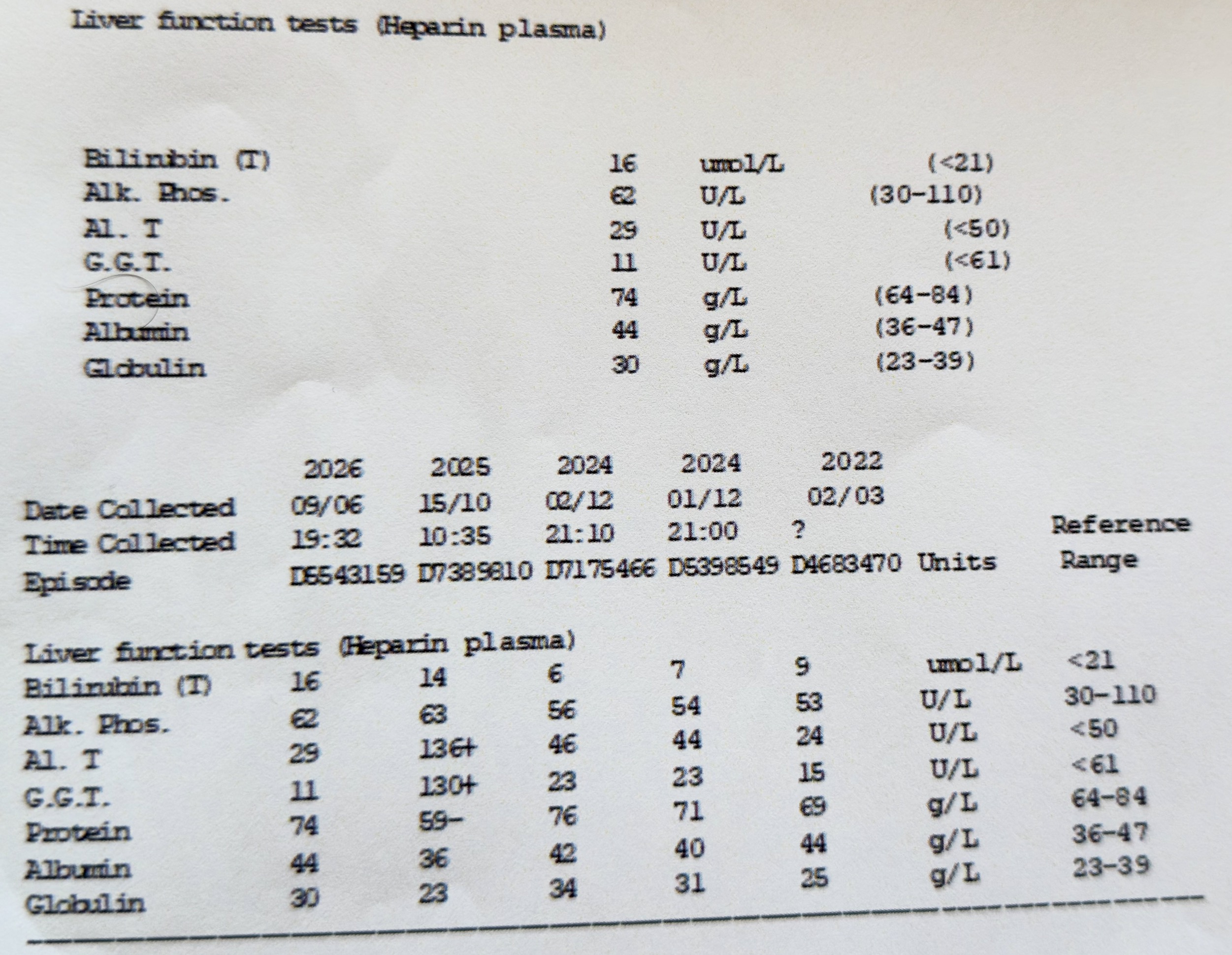
De-identified liver function tests example showing bilirubin, ALP, ALT, GGT, protein, albumin, and globulin
What it measures
ALT, AST, ALP, GGT, bilirubin, albumin, and related markers can suggest liver inflammation, bile-duct problems, alcohol effect, fatty liver, or other disease.
What is involved
One blood draw. Often interpreted with alcohol intake, weight, medicines, viral hepatitis risk, and symptoms.
Fasting/prep
Usually no fasting. Avoid heavy alcohol and extreme exercise before testing if your doctor is checking a baseline.
Cost/time off
Usually low-cost or covered when indicated. No time off.
Routine use without symptoms
Pro: useful with heavy alcohol intake, obesity/metabolic risk, viral hepatitis risk, relevant medicines, fevers, weight loss, jaundice, itching, pain, or feeling unwell. Con: routine annual LFTs in an otherwise well low-risk person can create false alarms.
Risk
Minor blood draw risks.
Normal range context
Ranges vary by lab. Mild isolated elevations are common and often need repeat testing rather than alarm.
Do not panic if abnormal
Temporary rises can follow alcohol, viral illness, strenuous exercise, fatty liver, new medicines, supplements, or lab variation.
Next step if abnormal
Repeat, review medicines/alcohol/supplements, test hepatitis/iron/autoimmune causes if indicated, and consider liver ultrasound or FibroScan for persistent changes.
Blood test

Full blood count

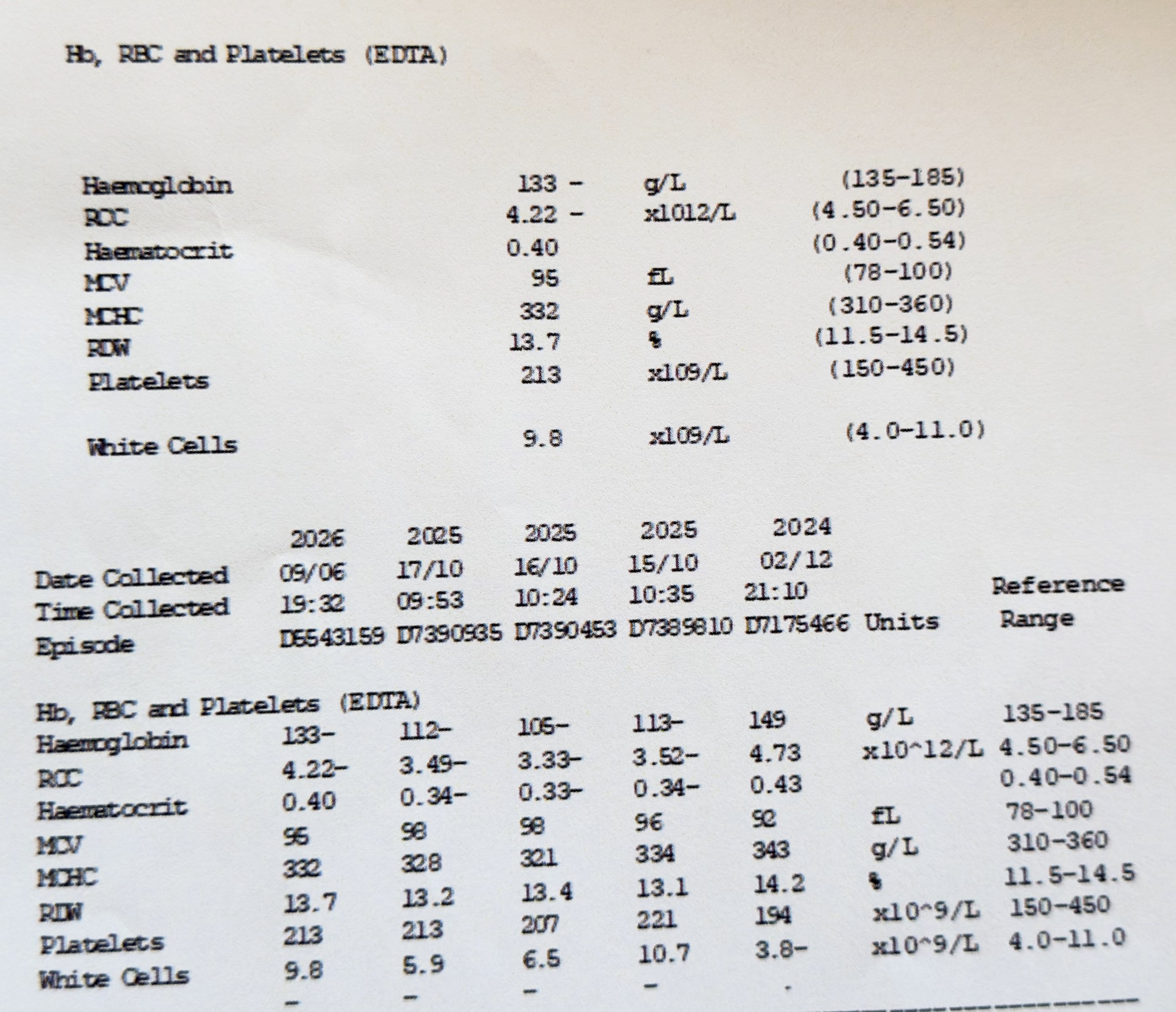
De-identified full blood count example showing hemoglobin, red cells, platelets, and white cells
What it measures
Hemoglobin, white blood cells, and platelets. It can reveal anemia, infection patterns, inflammation clues, or blood disorders.
What is involved
One blood draw. More useful when symptoms, bleeding risk, fatigue, medication monitoring, or chronic disease is present.
Fasting/prep
No fasting.
Cost/time off
Usually low-cost or covered. No time off.
Routine use without symptoms
Pro: a baseline hemoglobin can catch unsuspected anemia. Con: repeating it every year without symptoms or risk often finds minor variations rather than useful disease.
Risk
Minor blood draw risks.
Normal range context
Ranges vary by sex, lab, altitude, pregnancy status, and background health.
Do not panic if abnormal
Small changes can follow infection, inflammation, dehydration, menstruation, iron deficiency, medicines, or lab variation.
Next step if abnormal
Repeat if mild/unexpected, check iron/B12/folate, inflammation markers, stool blood or endoscopy if iron deficiency suggests bleeding, and hematology referral for concerning patterns.
Cancer screening

FIT / FOBT stool screening for colorectal cancer

What it measures
Hidden blood in stool. FIT detects human hemoglobin and is more specific for lower bowel bleeding than older guaiac FOBT.
What is involved
You collect a small stool sample at home and return it by mail, pharmacy, lab, or clinic.
Fasting/prep
No fasting and usually no diet restriction for FIT. Older guaiac FOBT may have diet/medicine restrictions.
Cost/time off
Often inexpensive or publicly funded. No time off unless follow-up colonoscopy is needed.
Routine use without symptoms
Pro: strong screening value for average-risk adults starting around 45 in many guidelines. Con: must be repeated on schedule and positive results require colonoscopy; symptoms should not be handled with home screening alone.
Risk
No physical risk from the test itself.
Normal range context
Usually reported as negative or positive, sometimes with a numeric fecal hemoglobin level. Cutoffs vary by program.
Do not panic if abnormal
A positive FIT is not a cancer diagnosis. It means bleeding was detected and needs the colon checked.
Next step if abnormal
Colonoscopy is usually the follow-up. Repeating FIT instead of colonoscopy after a positive result can miss important disease.
Cancer screening

Colonoscopy

What it measures
Directly examines the colon and rectum, can remove polyps, and can biopsy suspicious areas.
What is involved
Bowel preparation the day before, sedation or anesthesia in many places, camera examination through the rectum.
Fasting/prep
Clear fluids and bowel prep are required. Exact instructions matter.
Cost/time off
Costs vary widely. Most people need the day of the procedure off and someone to take them home if sedated.
Routine use without symptoms
Pro: finds and removes polyps in the same procedure. Con: more invasive and expensive than stool testing, with bowel prep, sedation, and small but real procedure risk.
Risk
Bleeding after polyp removal, sedation reactions, missed lesions, and rare perforation.
Normal range context
Normal colonoscopy may allow a 10-year interval for average-risk people, but intervals shorten after polyps or high-risk history.
Do not panic if abnormal
Polyps are common and many are removed before they become cancer. Pathology determines risk.
Next step if abnormal
Biopsy/pathology, repeat colonoscopy interval, surgery or oncology referral if cancer, and family-risk advice when indicated.
Cancer screening

Mammogram

What it measures
X-ray images of breast tissue to find cancer before a lump is felt.
What is involved
Each breast is compressed briefly between plates for images. 3D mammography may be used.
Fasting/prep
No fasting. Avoid deodorant, powder, or lotion on the day if instructed.
Cost/time off
Often covered in screening programs; usually 20-30 minutes with no time off beyond appointment.
Routine use without symptoms
Pro: can find breast cancer earlier. USPSTF now recommends biennial screening from 40 to 74; other groups differ on interval and starting age. Con: false positives, overdiagnosis, dense breasts, radiation, and personal preference are real debates.
Risk
Low-dose radiation, discomfort, false positives, false negatives, overdiagnosis, and biopsy anxiety.
Normal range context
Reports commonly use BI-RADS categories. BI-RADS 1-2 is reassuring; 0 means more imaging is needed.
Do not panic if abnormal
Callbacks are common. Many are cysts, overlapping tissue, benign calcifications, or need better views.
Next step if abnormal
Diagnostic mammogram views, breast ultrasound, MRI for selected cases, and image-guided biopsy if suspicious.
Genetic risk

Family history and genetic testing

What it measures
Inherited risk for conditions such as BRCA-related breast/ovarian/prostate/pancreatic cancer, Lynch syndrome bowel/uterine cancer, familial hypercholesterolemia, MEN-related endocrine tumors, and other defined syndromes.
What is involved
Start with a three-generation family history. If risk is high, genetic counseling and a targeted blood or saliva test may be offered.
Fasting/prep
No fasting. Prepare names of cancers, ages at diagnosis, ethnicity/ancestry, relatives with very high cholesterol, sudden death, or early heart attacks.
Cost/time off
Costs vary from covered clinical testing to expensive private panels. Usually no time off beyond counseling/testing appointments.
Routine use without symptoms
Pro: earlier testing can be very valuable when family history is strong because screening may need to start before 40 or 50. Con: broad consumer panels can produce uncertain variants, anxiety, privacy concerns, and findings that do not change care.
Risk
Physical risk is low. Main risks are uncertain results, insurance/privacy issues depending on country, family implications, and unnecessary worry.
Normal range context
Results may be pathogenic, likely pathogenic, negative, or variant of uncertain significance. A negative result does not erase ordinary population risk.
Do not panic if abnormal
A genetic result is a risk signal, not a diagnosis of cancer or heart disease. It should be interpreted with a genetics professional when possible.
Next step if abnormal
Earlier colonoscopy, breast MRI/mammogram strategy, ovarian/prostate/pancreas risk discussion, possible pancreas MRI/EUS surveillance in selected high-risk families or syndromes, cascade testing for relatives, lipid treatment for familial hypercholesterolemia, or specialist referral depending on the gene.
Cancer screening

Cervical HPV/Pap screening

What it measures
High-risk HPV and/or cervical cell changes that can lead to cervical cancer.
What is involved
Speculum exam with cervical swab, or self-collected HPV swab in some programs.
Fasting/prep
No fasting. Avoid vaginal medicines, sex, or douching shortly beforehand if your clinic advises.
Cost/time off
Often covered by screening programs. No time off beyond appointment.
Routine use without symptoms
Pro: strong evidence for preventing cervical cancer when done at recommended intervals. Con: overscreening too often increases false positives and procedures.
Risk
Brief discomfort, light spotting, false positives, and anxiety.
Normal range context
Negative HPV is reassuring. Abnormal cell grades and HPV types determine follow-up.
Do not panic if abnormal
HPV is common and often clears. Abnormal screening usually means closer assessment, not cancer.
Next step if abnormal
Repeat testing, HPV typing, colposcopy, cervical biopsy, or treatment of high-grade precancer depending on result.
Shared decision

PSA for prostate cancer risk

What it measures
Prostate-specific antigen, a protein that can rise with prostate cancer, enlargement, inflammation, infection, sex, cycling, or procedures.
What is involved
Blood draw after discussing benefits and harms. It is not a simple "yes/no cancer" test.
Fasting/prep
No fasting. Avoid ejaculation and long cycling shortly before if your clinician advises.
Cost/time off
Usually low-cost blood test; coverage varies. No time off.
Routine use without symptoms
Pro: one low midlife PSA can be reassuring and can help judge future risk. Con: routine repeated PSA screening can cause false positives, biopsy harms, and overdiagnosis, so it should be an informed choice rather than an automatic or forbidden test.
Risk
The blood test is low risk, but false positives can lead to MRI, biopsy, infection risk, and overdiagnosis.
Normal range context
PSA interpretation depends on age, prostate size, trend, medicines, and risk. A very low PSA is generally reassuring; a common older threshold is around 4 ng/mL, but modern decisions are more nuanced.
Do not panic if abnormal
A raised PSA is often not cancer. Infection, enlarged prostate, recent ejaculation, or inflammation can raise it.
Next step if abnormal
Repeat PSA, urine test if infection suspected, free/total PSA or risk calculator, prostate MRI, urology review, and biopsy only if risk remains concerning.
Risk-based screening

Low-dose CT lung screening

What it measures
Low-dose CT looks for early lung cancer in people at high smoking-related risk.
What is involved
Short CT scan lying on a scanner table. No needles for screening LDCT.
Fasting/prep
No fasting for standard LDCT.
Cost/time off
Coverage depends on eligibility and country. Usually no time off beyond appointment.
Routine use without symptoms
Pro: useful only for people with enough smoking exposure to meet criteria. Con: not a general screening CT for never-smokers or low-risk people.
Risk
Radiation exposure, false positives, incidental findings, anxiety, and follow-up scans or biopsy.
Normal range context
Reported by nodule size and risk systems such as Lung-RADS in some countries.
Do not panic if abnormal
Small lung nodules are common, especially after prior infections. Many need interval CT, not immediate biopsy.
Next step if abnormal
Repeat CT at a set interval, PET-CT, respiratory specialist review, bronchoscopy, needle biopsy, or surgery depending on size and features.
Exam

Skin check

What it measures
Looks for melanoma, squamous cell carcinoma, basal cell carcinoma, and suspicious changing lesions.
What is involved
Clinician inspects skin, often with dermoscopy. Photos may track moles over time.
Fasting/prep
No fasting. Remove nail polish and makeup if checking those areas. Bring photos of changing spots if available.
Cost/time off
Costs vary. Usually no time off beyond appointment; biopsy may need short wound care. Excision can mean a procedure appointment and a few days avoiding strain.
Routine use without symptoms
Pro: reasonable for high sun exposure, many moles, prior skin cancer, or family history. Con: routine whole-body checks for every low-risk person are less clearly evidence-based.
Risk
Exam is low risk. Biopsy can scar, bleed, or rarely infect.
Normal range context
There is no single normal number. Change, asymmetry, bleeding, color variation, and non-healing matter.
Do not panic if abnormal
Many odd-looking lesions are benign. A biopsy is often done to be certain.
Next step if abnormal
Dermatology review, short-interval photo monitoring, shave/punch/excision biopsy, or wider excision if cancer is found.
Diagnostic imaging

Ultrasound, CT, MRI, and PET-CT

What it measures
Looks at organs, vessels, bones, masses, inflammation, bleeding, obstruction, cancer spread, and treatment response depending on the scan.
What is involved
Ultrasound uses a probe and gel. CT is a fast X-ray scan, sometimes with contrast. MRI uses a magnetic scanner. PET-CT combines metabolic tracer uptake with CT anatomy.
Fasting/prep
Varies. Abdominal scans may require fasting. Contrast scans need kidney/allergy checks. PET often requires fasting and glucose control.
Cost/time off
Costs range from modest ultrasound to expensive MRI/PET. Most require no time off beyond the appointment; sedation or contrast reactions can change this.
Routine use without symptoms
Pro: excellent when a symptom, abnormal test, or known cancer creates a real question. Con: whole-body screening scans can find incidental spots, radiation exposure, cost, anxiety, and procedures that may not help.
Risk
CT and PET-CT involve radiation. Contrast can rarely cause allergy or kidney problems. MRI can be difficult with implants or claustrophobia.
Normal range context
Reports describe normal anatomy, benign variants, indeterminate findings, or suspicious features. Imaging has no simple "normal number."
Do not panic if abnormal
Cysts, scars, nodules, disc bulges, and benign growths are common. The question is whether the finding matches symptoms and risk.
Next step if abnormal
Compare old scans, repeat imaging, ultrasound/MRI clarification, blood tests, specialist review, biopsy, surgery, or cancer staging depending on the finding.
Respiratory review

Chest X-ray, respiratory function tests, and lung CT

What it measures
Chest X-ray looks for larger lung, heart, pleural, and bone problems. Respiratory function tests measure airflow and lung volumes. Low-dose CT screens selected high-risk people for lung cancer.
What is involved
Chest X-ray is quick imaging. Respiratory function tests involve breathing into equipment. Low-dose CT is a short scanner test without contrast in most screening programs.
Fasting/prep
Usually no fasting. Inhaler instructions vary for respiratory function tests. Bring occupational exposure and smoking history.
Cost/time off
Varies by country and insurance/public system. Usually no time off beyond the appointment.
Routine use without symptoms
Pro: useful with cough, breathlessness, wheeze, chest pain, abnormal oxygen level, smoking history, asbestos, silica, diesel, radon, COPD, pulmonary fibrosis, or concerning exam. Con: chest X-ray is not a reliable lung cancer screen for high-risk smokers.
Risk
Chest X-ray has low radiation; CT has more radiation and can find incidental nodules that need follow-up.
Normal range context
Normal chest X-ray and spirometry do not exclude all heart, lung, clot, cancer, or reflux-related causes of symptoms.
Do not panic if abnormal
Scars, old infection, benign nodules, mild obstruction, and technical effort problems are common.
Next step if abnormal
Repeat imaging, CT, sputum/infection workup, inhaler trial, echocardiogram, respiratory physician review, cardiology review, or urgent assessment for red flags.
Endoscopy

Gastroscopy for upper gut symptoms and Barrett's risk

What it measures
Directly examines the esophagus, stomach, and first part of the small bowel for inflammation, ulcers, bleeding, strictures, Barrett's esophagus, and cancer. Reflux and Barrett's context: refluxsurgery.com.
What is involved
A flexible camera passes through the mouth, usually with throat spray and sedation. Biopsies can be taken.
Fasting/prep
Usually no food for 6 hours and clear fluids only until the instructed cutoff. Blood thinners and diabetes medicines need specific instructions.
Cost/time off
Costs vary widely. If sedated, plan the day off, no driving, and someone to take you home.
Routine use without symptoms
Pro: useful for alarm symptoms, bleeding, swallowing trouble, unexplained iron deficiency, persistent reflux with risk factors, or Barrett's surveillance. Con: not a general screen for every person with occasional heartburn.
Risk
Sore throat, sedation effects, bleeding after biopsy, aspiration risk, and very rare perforation.
Normal range context
Normal mucosa is reassuring. Barrett's, ulcers, H. pylori, inflammation, and dysplasia depend on biopsy results.
Do not panic if abnormal
Inflammation and benign polyps are common. Biopsy is often done to define risk, not because cancer is certain.
Next step if abnormal
Acid suppression, H. pylori treatment, repeat endoscopy, Barrett's surveillance, endoscopic therapy, CT, or surgery/oncology referral for suspicious cancer. Selected reflux surgery information: refluxsurgery.com.
Imaging

Bone density scan

What it measures
DXA scan estimates bone mineral density and fracture risk, usually at hip and spine.
What is involved
You lie still on a scanner table for low-dose imaging.
Fasting/prep
No fasting. Avoid calcium supplements shortly before if instructed.
Cost/time off
Coverage depends on age and risk factors. No time off beyond appointment.
Routine use without symptoms
Pro: useful when age, menopause, fracture, steroid use, low body weight, smoking, alcohol, or family history raises risk. Con: not automatically needed for every healthy 50-year-old.
Risk
Very low radiation exposure.
Normal range context
T-score above -1 is often normal; -1 to -2.5 suggests osteopenia; -2.5 or lower suggests osteoporosis.
Do not panic if abnormal
Osteopenia is common and does not always mean medication. Fracture risk, falls, and causes matter.
Next step if abnormal
FRAX/fracture-risk estimate, vitamin D/calcium review, thyroid/parathyroid tests if indicated, falls prevention, exercise, and osteoporosis medication when risk is high.
Exam

Eye pressure and retina check

What it measures
Glaucoma risk, optic nerve health, vision changes, cataracts, and retinal disease from diabetes or high blood pressure.
What is involved
Vision test, eye pressure, optic nerve assessment, and retinal photos or dilated exam depending on risk.
Fasting/prep
No fasting. If pupils are dilated, bring sunglasses and avoid driving until vision clears.
Cost/time off
Costs vary. Usually 30-60 minutes; dilation can affect work/driving for a few hours.
Routine use without symptoms
Pro: worthwhile periodically because glaucoma and retinal disease can be quiet. Con: frequency depends on glasses, diabetes, family history, pressure, ethnicity, and previous findings.
Risk
Temporary light sensitivity and blurred near vision after dilation. Rare angle-closure symptoms need urgent care.
Normal range context
Eye pressure often falls around 10-21 mm Hg, but glaucoma can occur with normal pressure.
Do not panic if abnormal
A single pressure or photo abnormality may need repeat measurement, field testing, or specialist interpretation.
Next step if abnormal
Optical coherence tomography, visual field test, repeat pressure, ophthalmology referral, drops/laser/surgery if glaucoma is confirmed.
Exam

Dental and oral cancer review

What it measures
Gum disease, decay, infection, tooth wear, dry mouth, oral cancer signs, and denture/implant issues.
What is involved
Dental exam, gum measurements, X-rays when needed, and inspection of tongue, cheeks, throat, and floor of mouth.
Fasting/prep
No fasting. Bring medication list, especially blood thinners, osteoporosis drugs, and diabetes medicines.
Cost/time off
Costs vary widely. Usually no time off unless procedures are needed.
Routine use without symptoms
Pro: regular dental care prevents pain, infection, tooth loss, and can detect oral lesions. Con: imaging and procedures should still be based on findings and risk.
Risk
Exam is low risk; dental X-ray radiation is low. Procedures have procedure-specific risks.
Normal range context
Healthy gums should not bleed easily. Non-healing ulcers beyond 2-3 weeks need assessment.
Do not panic if abnormal
Many mouth ulcers are trauma or infection, but persistence matters.
Next step if abnormal
Cleaning, periodontal care, X-ray, biopsy/referral for persistent lesions, and coordination with doctor for diabetes or blood thinner issues.
Prevention

Vaccination review

What it measures
Not a test: it checks whether preventable infections are covered for your age, risks, work, travel, and medical history.
What is involved
Review vaccine history and give needed vaccines, often in a pharmacy or clinic.
Fasting/prep
No fasting. Tell the clinician about allergies, immune suppression, pregnancy, and previous reactions.
Cost/time off
Costs vary. Usually no time off, though sore arm or fever can affect the next day.
Routine use without symptoms
Pro: high-value prevention. Con: schedules change and should be individualized for medical conditions, age, country, and prior doses.
Risk
Sore arm, fatigue, fever, rare allergy. Risks differ by vaccine.
Normal range context
At 50, shingles vaccine becomes relevant in the United States. Other vaccines depend on risk and local schedule.
Do not panic if abnormal
Missing vaccine records are common. Some vaccines can be repeated or checked with serology if needed.
Next step if abnormal
Catch-up plan for shingles, flu, COVID, tetanus, pneumococcal, hepatitis, RSV, travel, or occupational vaccines as appropriate.
Conversation

Mental health, sleep, alcohol, and substance review

What it measures
Depression, anxiety, stress injury, sleep apnea risk, insomnia, alcohol intake, medicines, and substance use that affect long-term health.
What is involved
Questionnaires, conversation, sleep history, medication review, and sometimes collateral history.
Fasting/prep
No fasting. Bring honest estimates of alcohol, sleep, mood, and medication use.
Cost/time off
Usually part of primary care; therapy or sleep studies vary. Time off depends on appointments.
Routine use without symptoms
Pro: brief screening questions can catch treatable problems people hide or normalize. Con: positive questionnaires need proper assessment, not instant labeling.
Risk
Low. The main risk is not asking, because these issues drive heart disease, diabetes, accidents, relationships, and work capacity.
Normal range context
There is no single normal. Persistent low mood, panic, poor sleep, snoring with daytime sleepiness, or escalating alcohol use deserves care.
Do not panic if abnormal
Screening questionnaires are not labels. They identify who may benefit from a deeper assessment.
Next step if abnormal
GP follow-up, psychology, medication options, sleep study, alcohol reduction plan, crisis plan, or specialist care depending on severity.

What waiting can look like

Some tests are boring. That is the point.

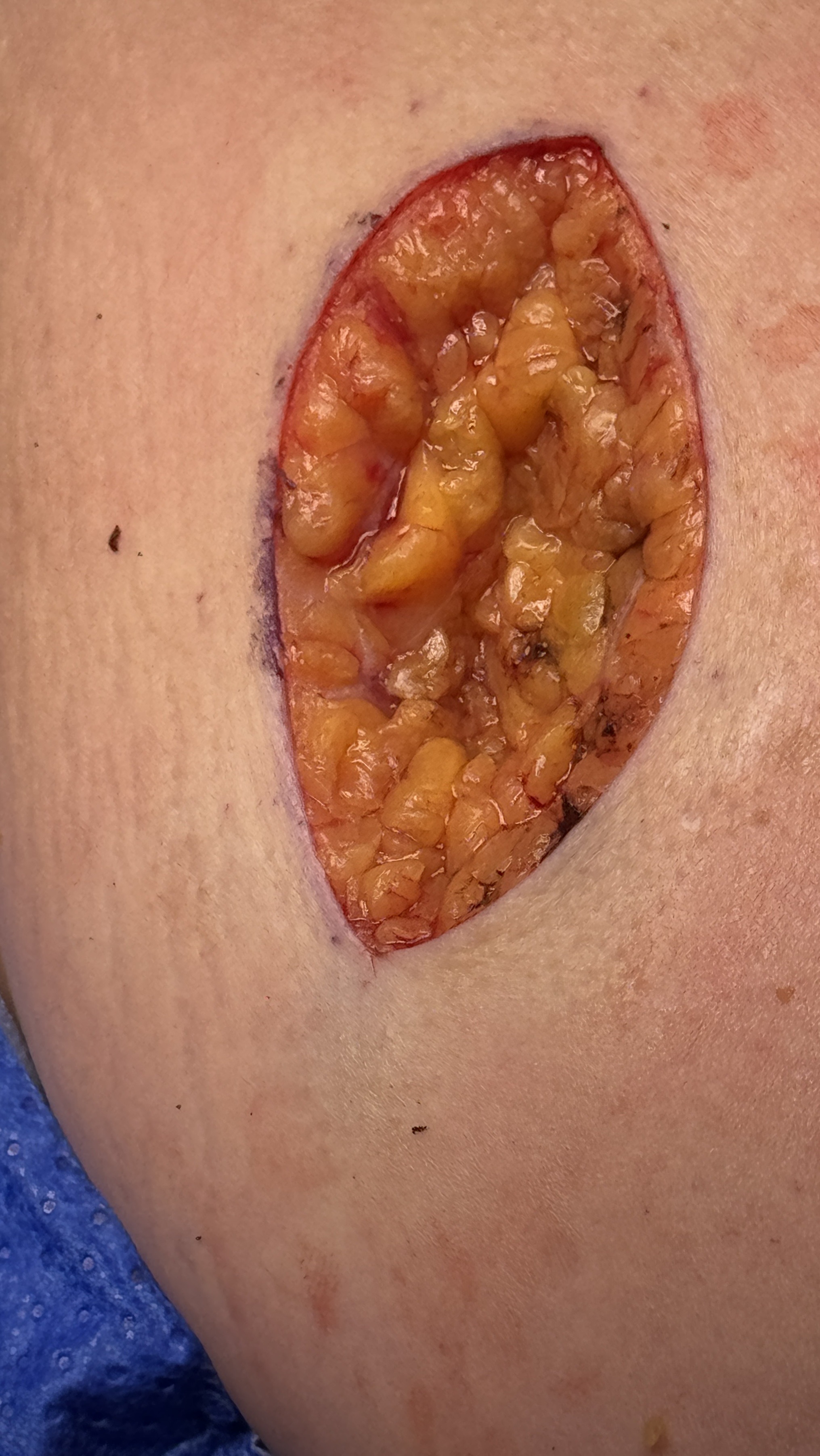
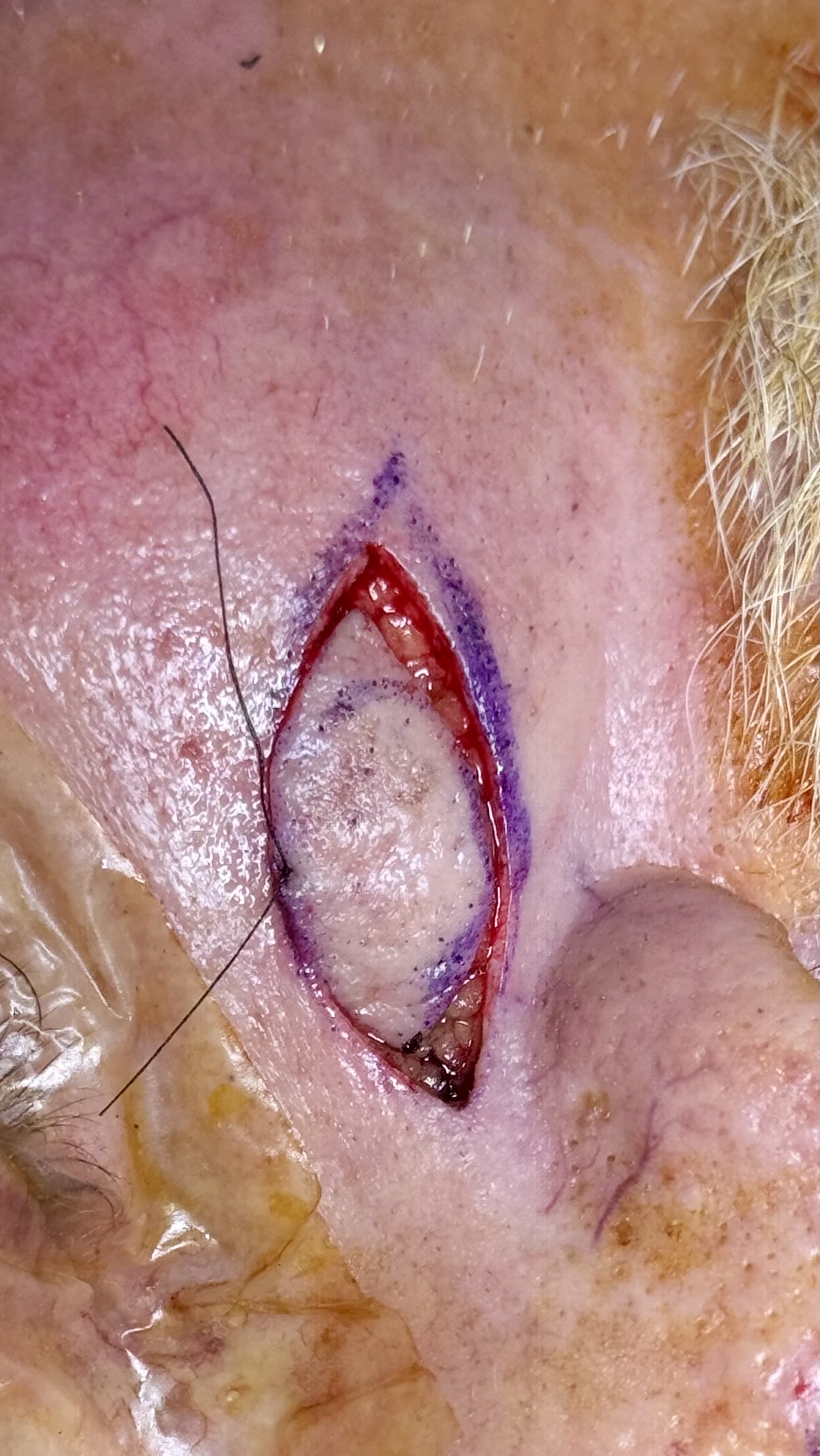
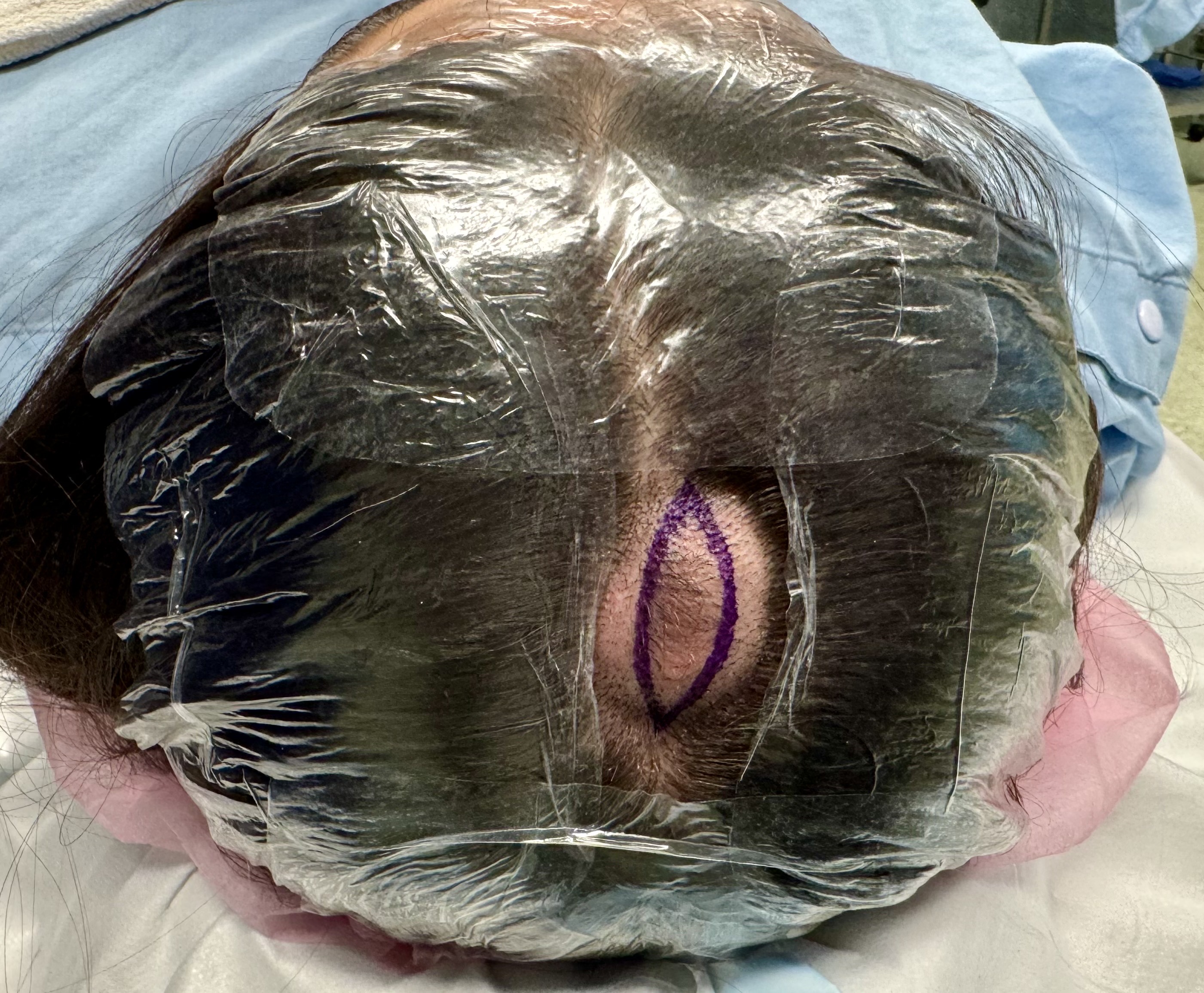
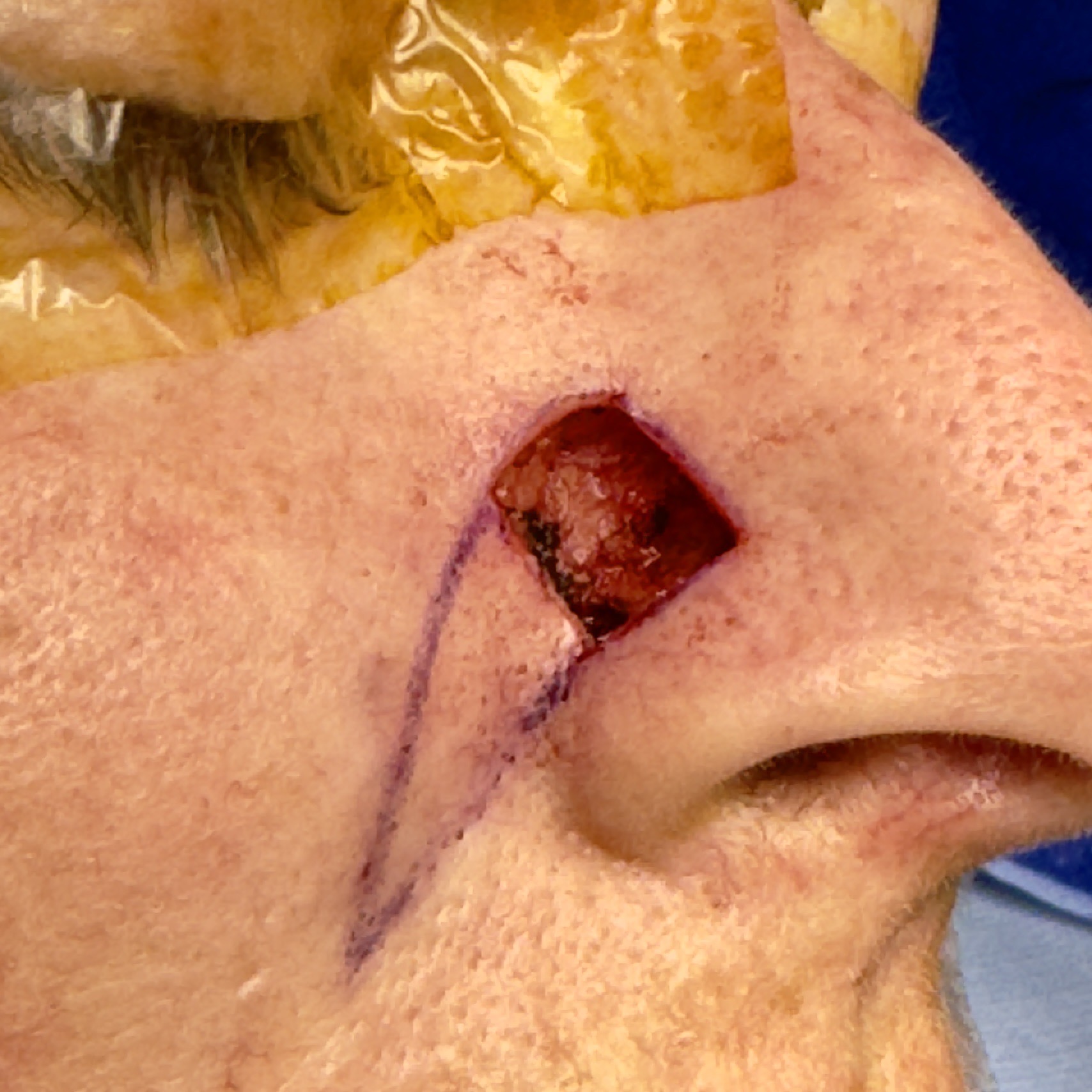
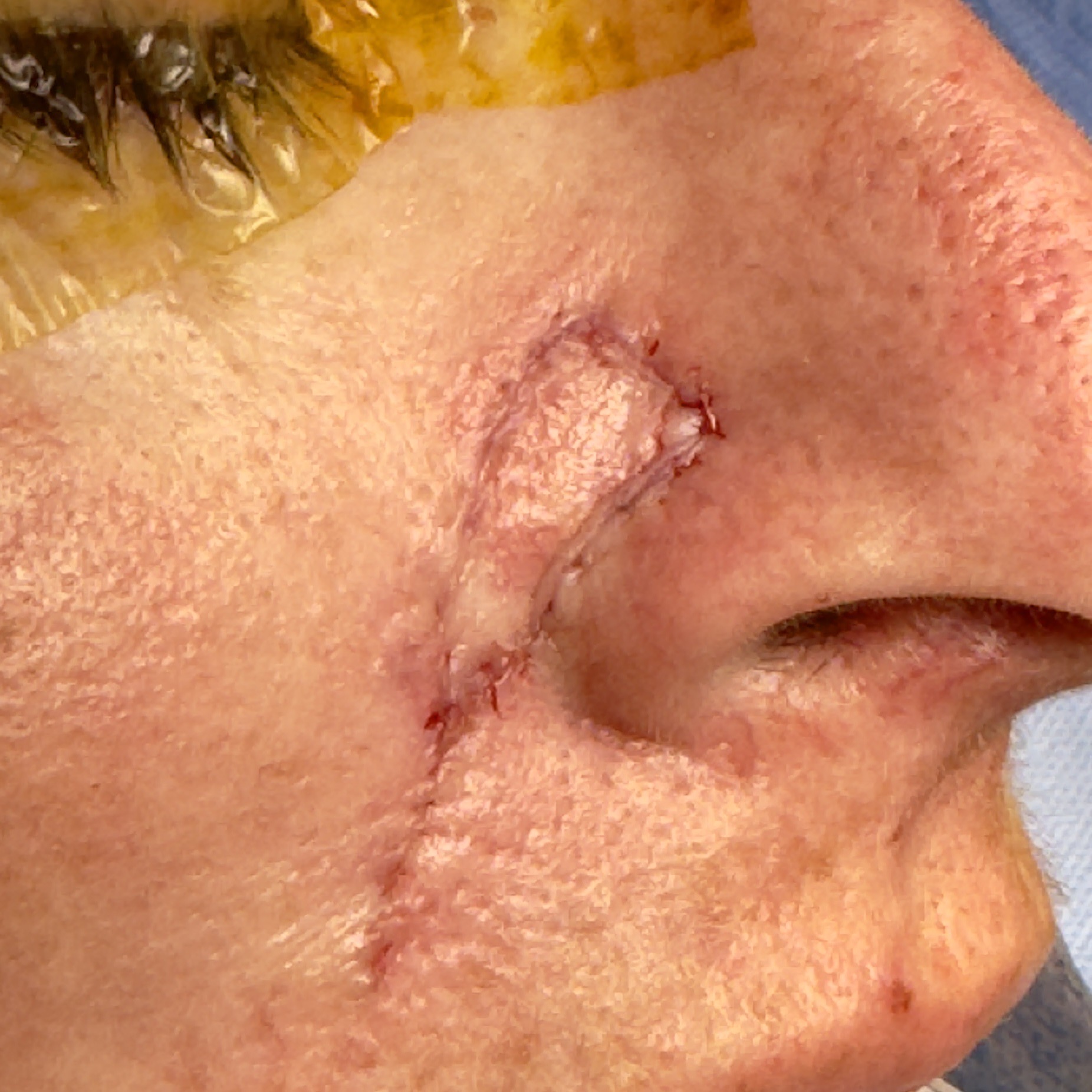
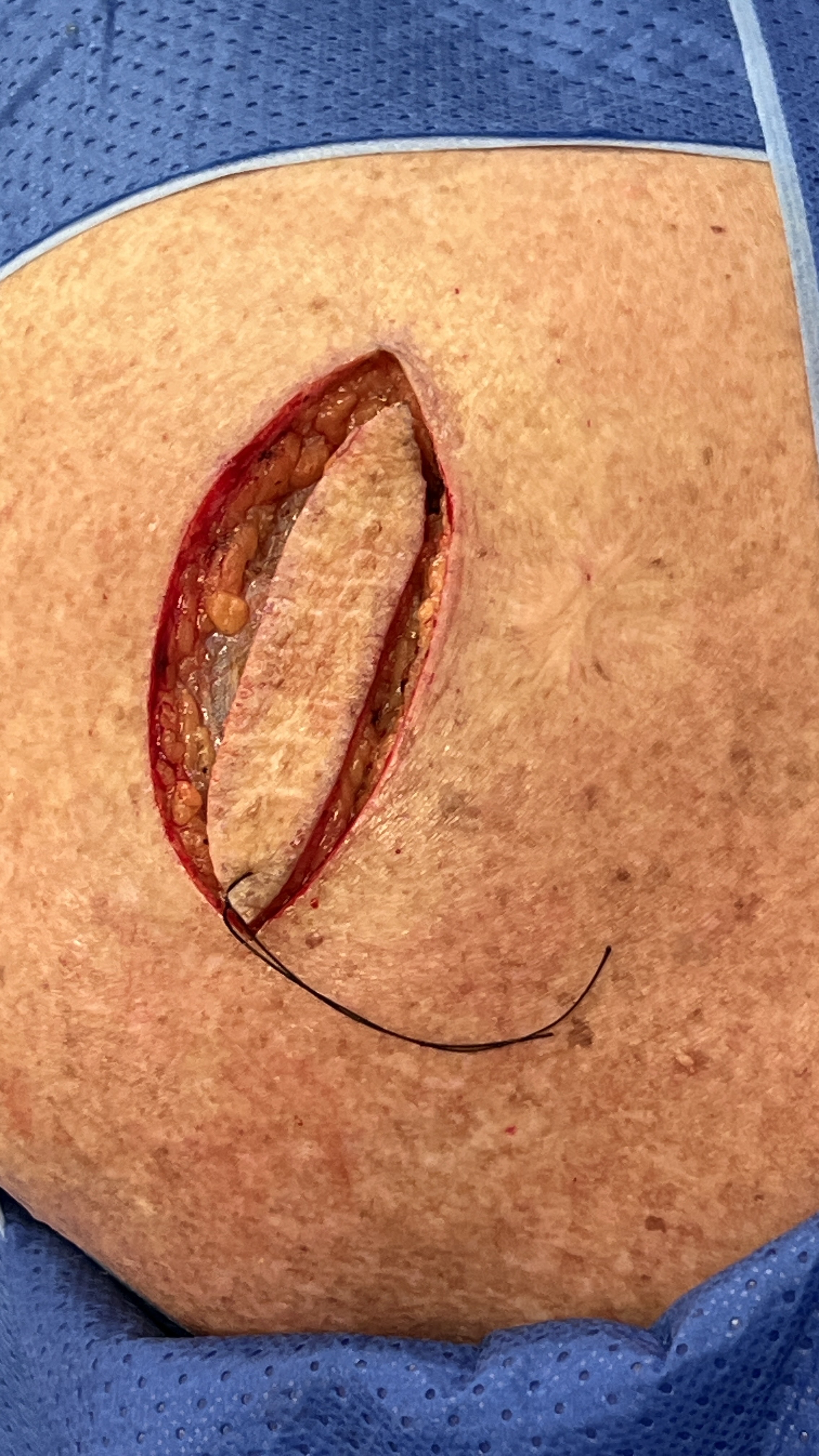
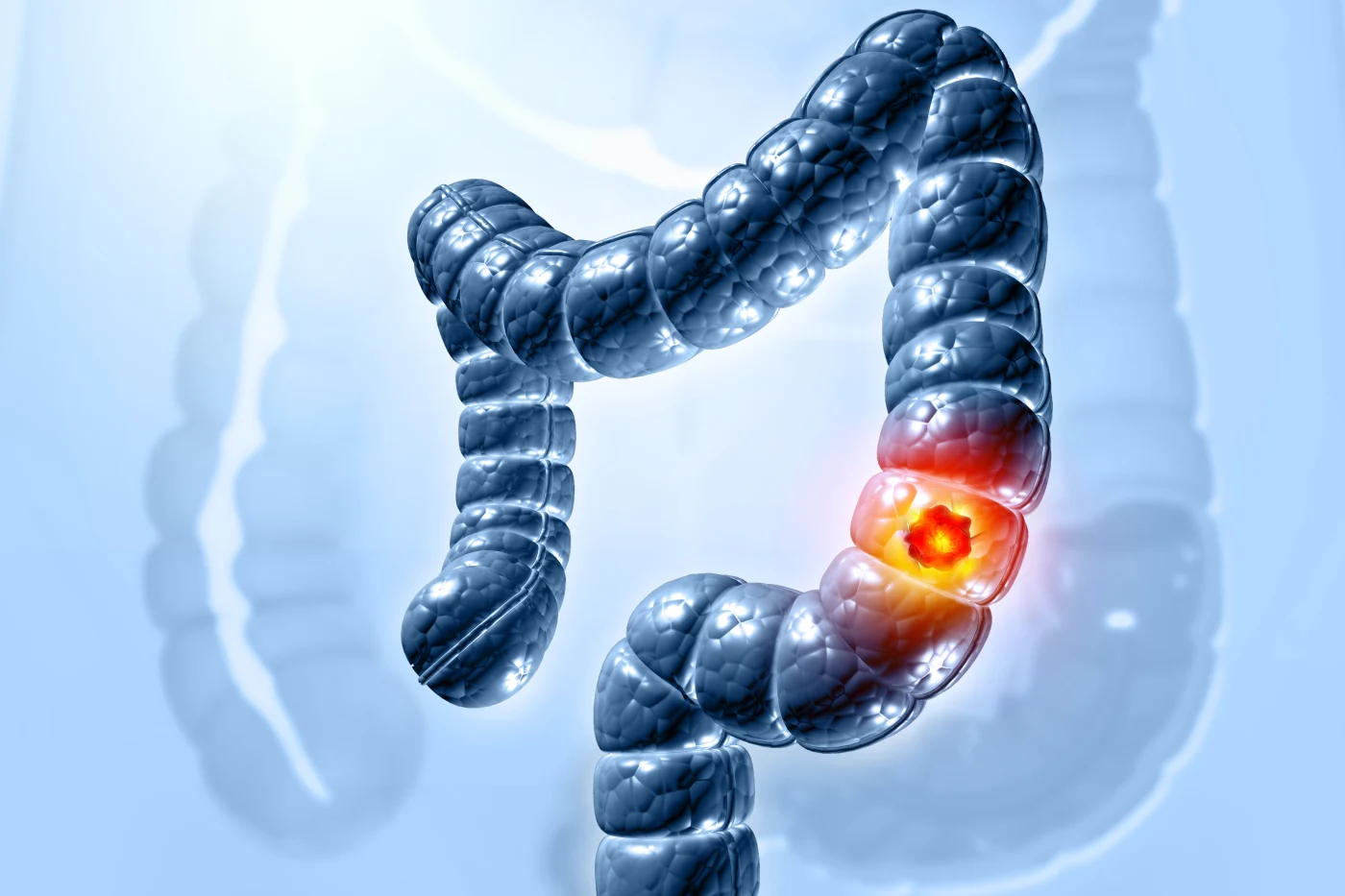
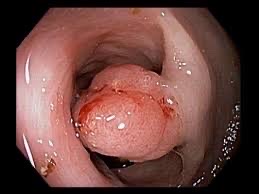
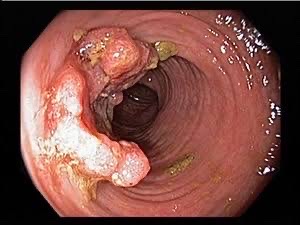
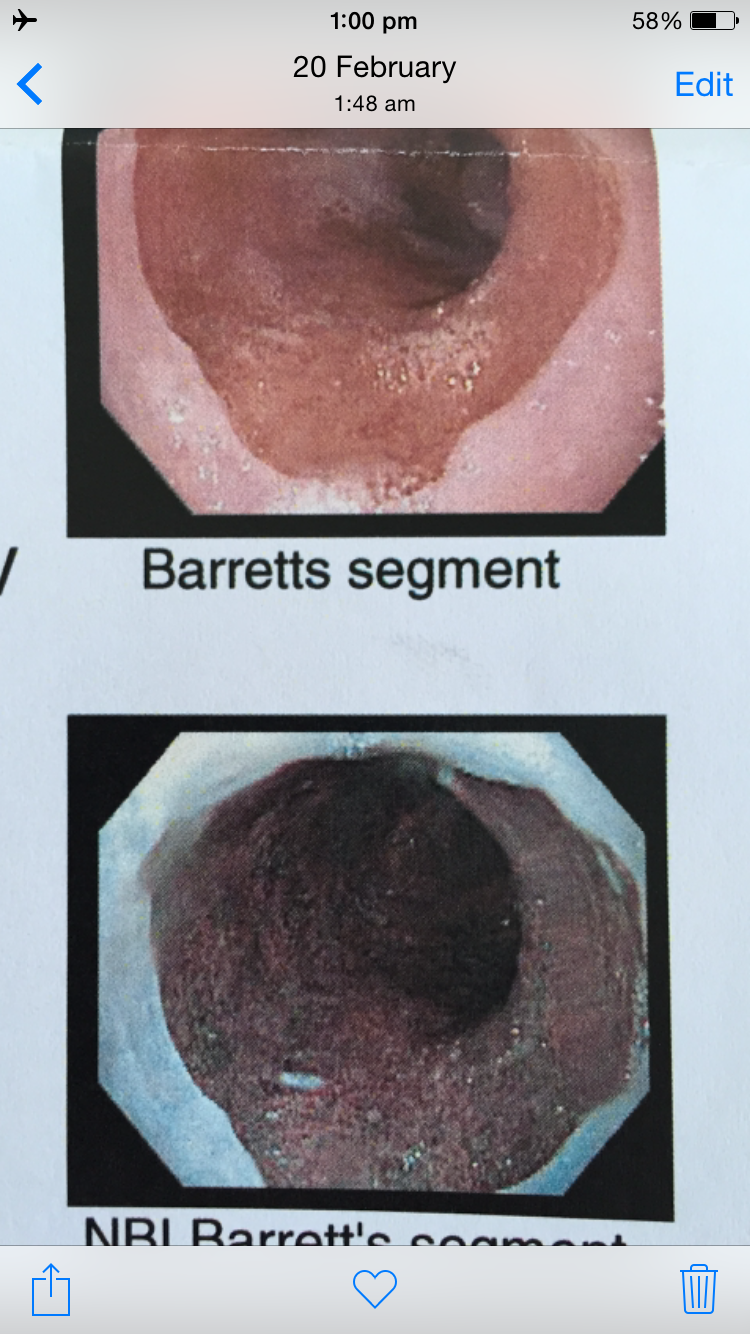
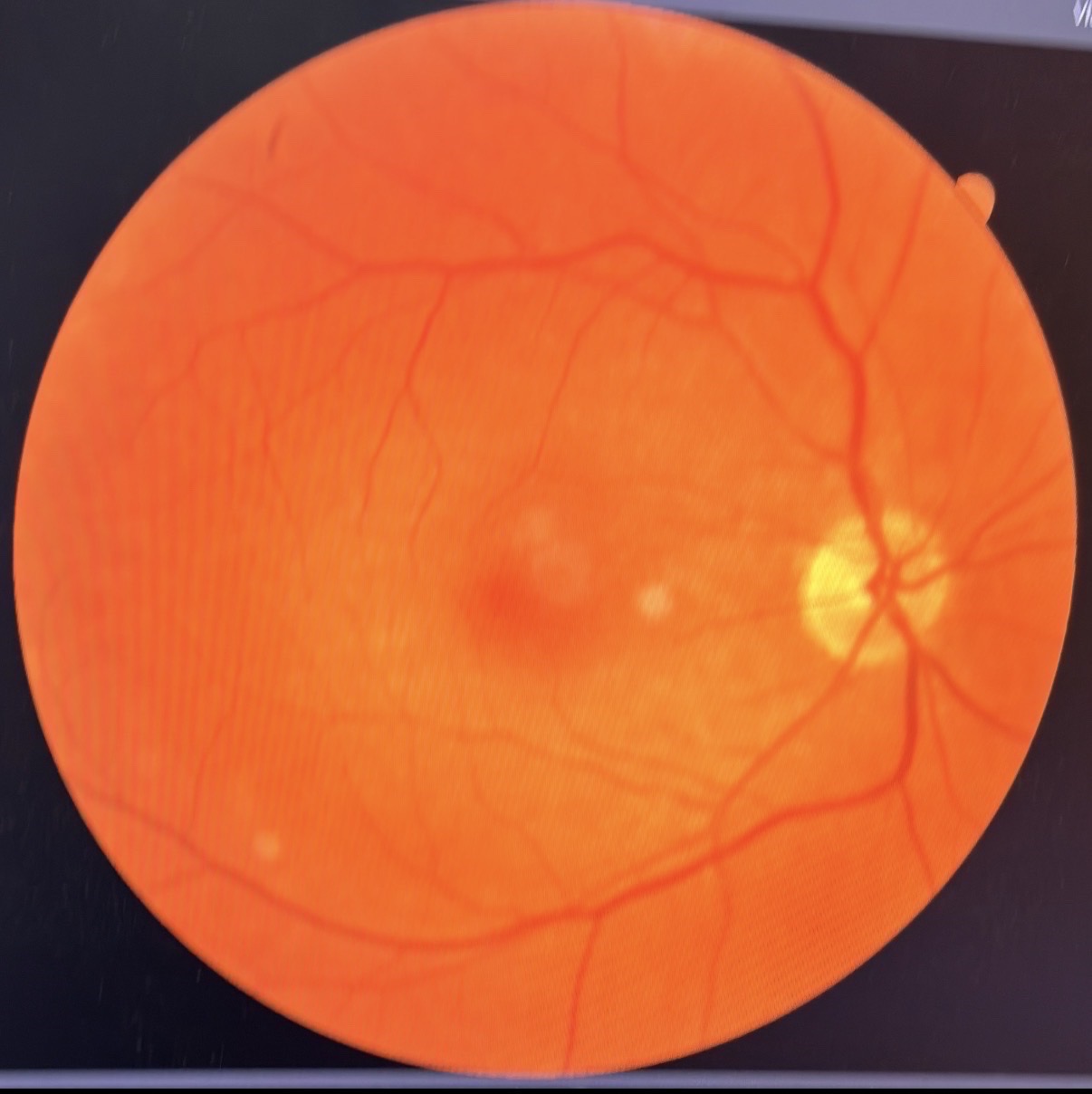
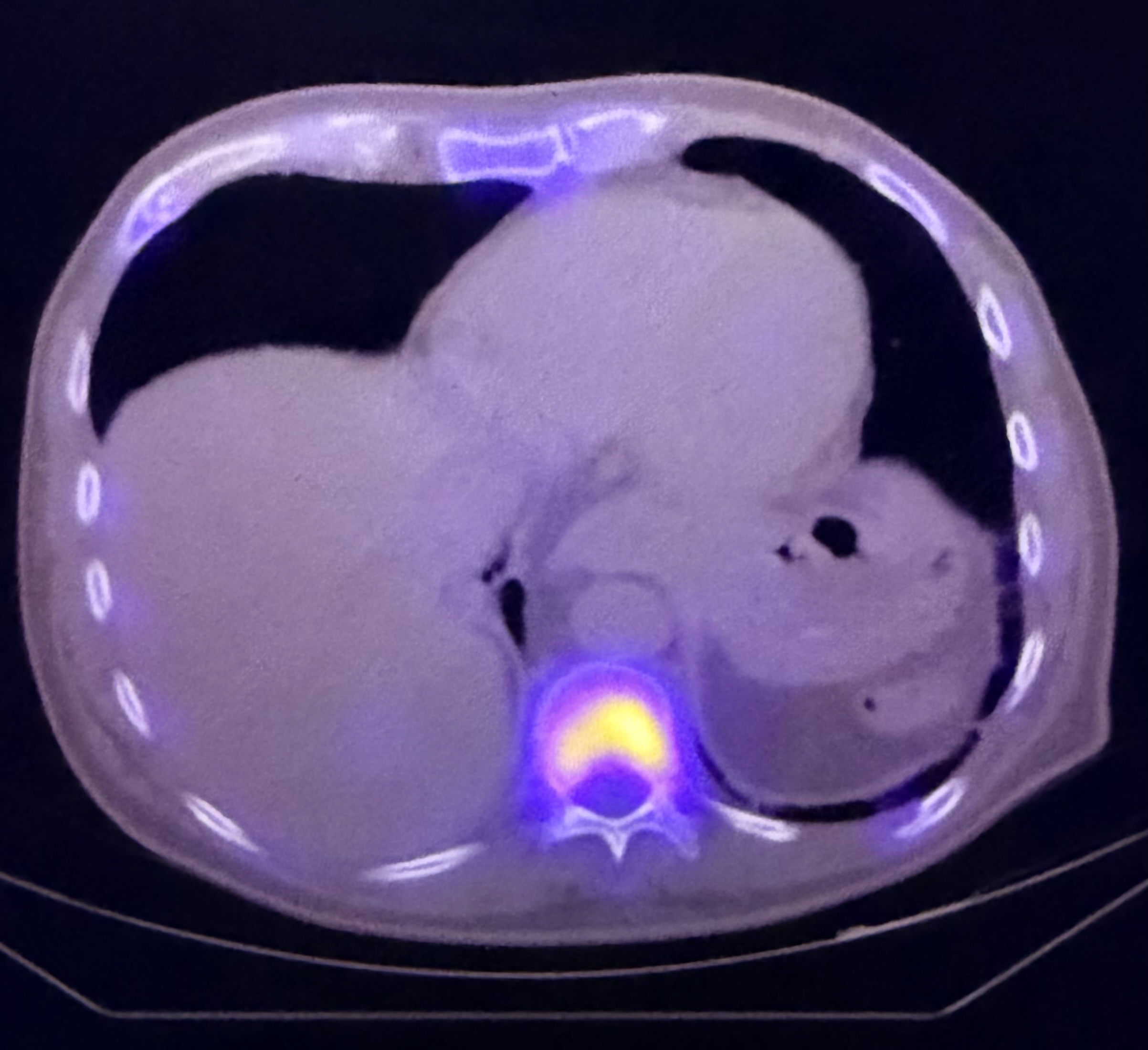
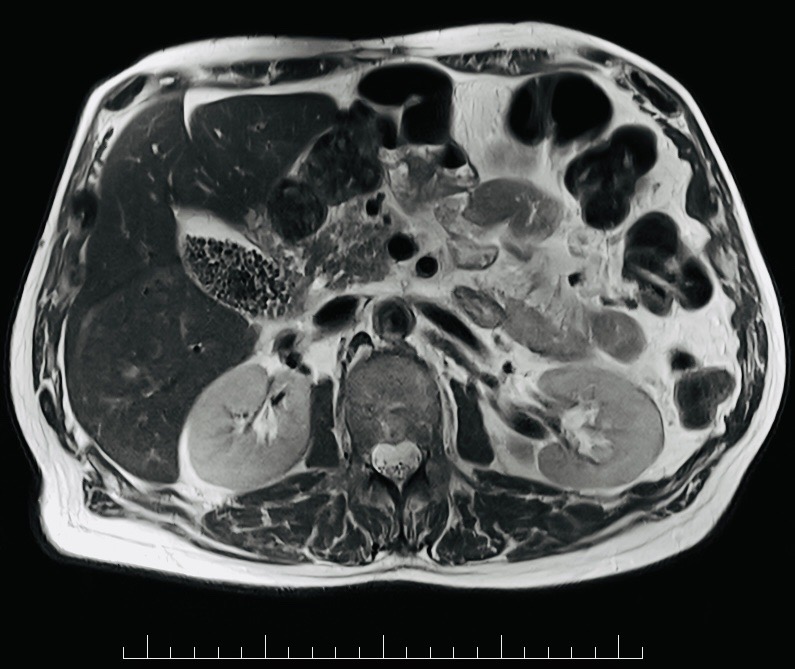
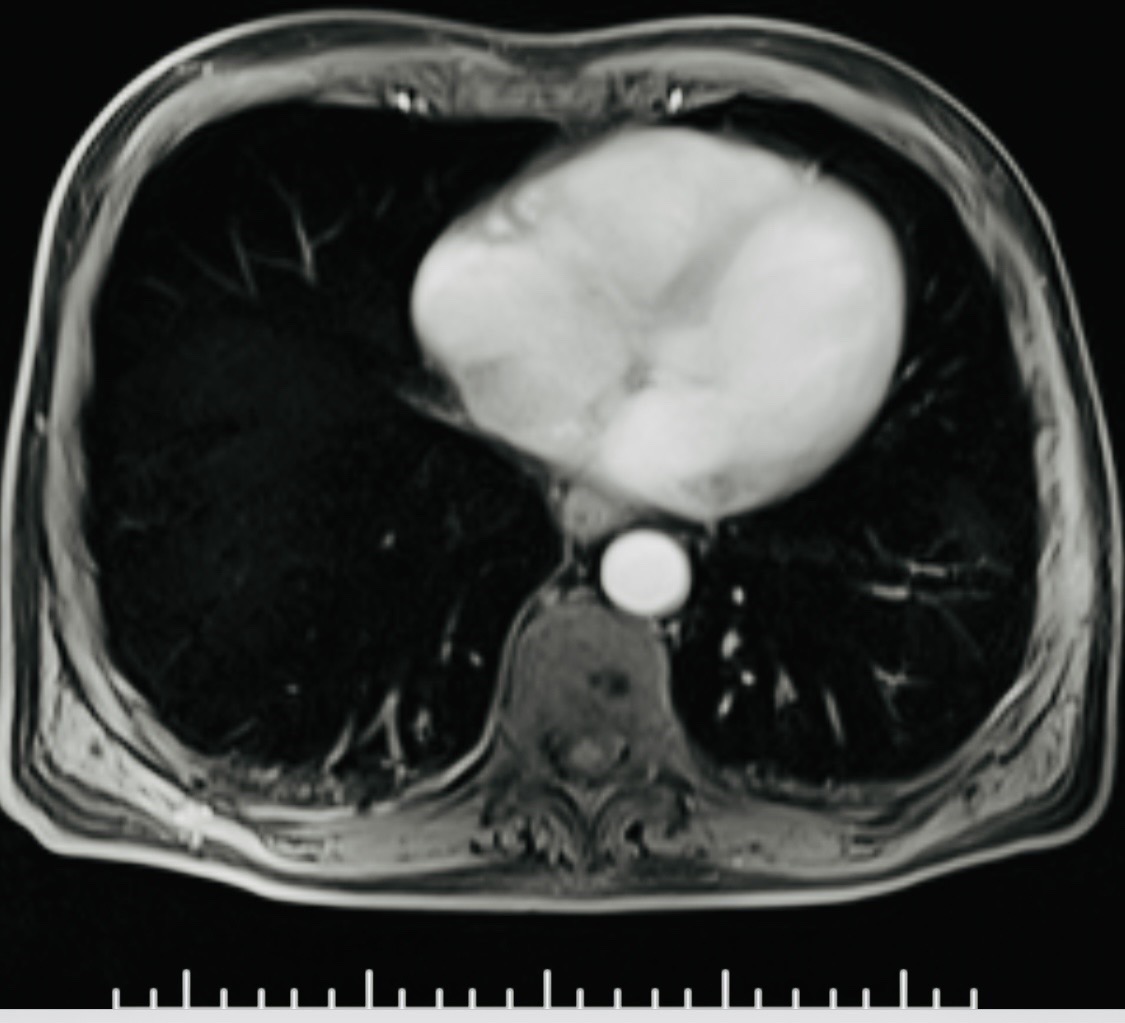
These images are deliberately direct. They are educational examples, not interpretations of any individual person's scan or wound. The lesson is simple: cancer, bleeding, eye disease, and organ problems often do not announce themselves early. The right test at the right time can turn a late emergency into a planned procedure.

Denial has a body cost.

A suspicious skin lesion does not "pop out" neatly by itself. A bowel cancer does not wait until your calendar is convenient. A scan can become necessary because a quiet abnormality was ignored. Prevention is not about ordering every test; it is about not wasting the tests that actually change outcomes.
Cancer map

Some cancers have screening. Others need risk flags and fast investigation.

This is the part people often get wrong. A good screening test is not just a test that can find cancer; it must find it early enough, often enough, and safely enough to improve outcomes. For several frightening cancers, routine screening in average-risk people is not proven. That makes symptoms and family history even more important.

Skin cancer

Melanoma, SCC, BCC

Useful checks: self-checks, clinician skin exam, dermoscopy, mole photography when high risk.

Act on: changing, bleeding, non-healing, asymmetrical, black/blue, crusting, tender, or rapidly growing spots.

Next step: urgent dermoscopy or biopsy. If cancer, excision with margins; earlier usually means less tissue removed.

Bowel cancer

Colon and rectal cancer

Useful checks: FIT/FOBT screening and colonoscopy from guideline age, earlier with family history or symptoms.

Act on: rectal bleeding, iron deficiency, black stools, bowel habit change, weight loss, abdominal mass, persistent pain.

Next step: positive FIT or concerning symptoms usually need colonoscopy, biopsy, pathology, and interval planning.

Anal cancer

Risk-based, not routine for everyone

Useful checks: exam, anoscopy/high-resolution anoscopy, anal cytology in selected high-risk groups.

Act on: bleeding, pain, lump, ulcer, discharge, HPV-related disease, immune suppression, or persistent symptoms.

Next step: exam, swab/biopsy, colorectal or sexual-health specialist review.

Prostate cancer

PSA is a choice, not a religion

Useful checks: PSA after informed discussion, especially around 50-69; earlier with strong family history or high-risk ancestry.

Act on: rising PSA trend, abnormal exam, bone pain, blood in urine, urinary symptoms with risk, or family history. Early prostate cancer may have no symptoms and a normal-sized prostate.

Next step: repeat PSA, urine test, risk calculator, prostate MRI, urology review, biopsy if risk remains concerning.

Breast cancer

Mammogram, plus risk-based MRI

Useful checks: mammography by age/risk; MRI for selected high-risk genetic/family-history groups.

Act on: new lump, nipple inversion/discharge, skin dimpling, bloody discharge, persistent focal pain, armpit lump.

Next step: diagnostic mammogram, ultrasound, MRI if indicated, and image-guided biopsy for suspicious findings.

Ovarian cancer

No good routine screen for average risk

Useful checks: genetic risk assessment for BRCA/Lynch patterns; specialist surveillance only for selected high-risk people.

Act on: persistent bloating, early fullness, pelvic pain, urinary frequency, weight loss, new abdominal swelling.

Next step: pelvic exam, transvaginal ultrasound, CA-125 in context, CT, gynecology/oncology review. CA-125 alone is not a simple screening answer.

Uterine and cervical cancer

Different cancers, different tests

Useful checks: cervical HPV/Pap screening prevents cervical cancer. There is no routine endometrial cancer screen for average-risk people.

Act on: bleeding after menopause, bleeding between periods, heavy new bleeding, pelvic pain, abnormal cervical screening.

Next step: cervical follow-up/colposcopy for HPV/Pap changes; pelvic ultrasound and endometrial biopsy for post-menopausal bleeding.

Testicular cancer

Know what normal feels like

Useful checks: self-awareness and prompt exam; routine formal screening is not generally recommended for average-risk men.

Act on: painless lump, swelling, heaviness, firmness, ache, size change, or history of undescended testis.

Next step: urgent ultrasound, tumor markers, urology referral. Do not wait for pain.

Pancreatic cancer

High risk only, symptoms urgently

Useful checks: genetic/family-history review; MRI/EUS surveillance only in selected high-risk families or syndromes such as strong familial pancreatic cancer patterns, BRCA/Lynch/PALB2/ATM with affected relatives, Peutz-Jeghers, CDKN2A, or hereditary pancreatitis.

Act on: painless jaundice, dark urine, pale stools, new diabetes with weight loss, persistent upper abdominal/back pain, unexplained weight loss.

Next step: liver tests, CT pancreas protocol or MRI/MRCP, CA19-9 in context, endoscopic ultrasound/biopsy, specialist referral.

Thyroid cancer

Neck lumps need judgment

Useful checks: neck exam and ultrasound for a real nodule. Routine ultrasound screening can find tiny cancers that never cause harm.

Act on: growing neck lump, hoarseness, swallowing trouble, radiation exposure history, suspicious lymph nodes.

Next step: TSH, ultrasound risk scoring, fine-needle biopsy if indicated, endocrine/surgical review.

Oral and throat cancer

Look in the mouth

Useful checks: dental/oral exam, especially with tobacco, alcohol, HPV risk, poor dentition, or persistent lesions.

Act on: ulcer over 2-3 weeks, red/white patch, lump, loose teeth, one-sided throat pain, voice change, neck node.

Next step: dentist/ENT review, flexible nasendoscopy, biopsy, imaging if suspicious.

Stomach and esophageal cancer

Gastroscopy when alarm features appear

Useful checks: H. pylori testing/treatment when indicated, gastroscopy for alarm symptoms or Barrett's surveillance.

Act on: swallowing trouble, food sticking, vomiting blood, black stools, iron deficiency, weight loss, persistent reflux with risk factors.

Next step: gastroscopy with biopsy, H. pylori treatment, CT/EUS staging if cancer is found.

Lung cancer

Low-dose CT for high-risk smokers

Useful checks: low-dose CT for eligible smoking-history groups; specialist advice may be needed when asbestos, silica, radon, diesel, COPD, pulmonary fibrosis, or family history changes risk. Chest X-ray is not a reliable screening substitute.

Act on: coughing blood, persistent cough, weight loss, chest pain, breathlessness, recurrent pneumonia, hoarseness.

Next step: chest X-ray for symptoms when appropriate, CT, PET-CT, bronchoscopy or needle biopsy, respiratory and oncology review.

Kidney cancer

Usually found by symptoms or incidental imaging

Useful checks: no routine screen for average-risk adults; ultrasound/CT when symptoms or inherited risk justify it.

Act on: blood in urine, flank pain, abdominal mass, unexplained anemia, fevers, weight loss, high-risk syndromes.

Next step: urinalysis, kidney function, ultrasound or CT, urology review.

Liver cancer

Screen the high-risk liver, not everyone

Useful checks: ultrasound with or without AFP every 6 months for cirrhosis or selected chronic hepatitis B risk groups.

Act on: known cirrhosis, hepatitis B/C, heavy alcohol liver disease, fatty liver with advanced fibrosis, weight loss, jaundice, swelling.

Next step: liver ultrasound, AFP, contrast CT/MRI liver protocol, hepatology review, antiviral/alcohol/metabolic treatment.

The big age-related issues

The tests matter because these conditions steal years quietly.

Cancer gets attention, but heart disease, stroke, diabetes, kidney disease, dementia, falls, frailty, alcohol harm, depression, and sleep apnea often do more total damage. The goal is not a perfect lab sheet. The goal is staying alive, mobile, independent, and mentally present.

Heart disease and stroke

BP, lipids, smoking, diabetes, family history

Useful checks: blood pressure, lipid profile, formal cardiovascular risk score, A1C/glucose, kidney function, smoking status, weight/waist, family history, ECG if symptoms or risk.

Do not ignore: chest pressure, exertional breathlessness, fainting, fast or many missed heartbeats, one-sided weakness, speech trouble, new severe headache.

Action: treat confirmed high BP, statins when risk justifies, diabetes care, smoking cessation, exercise, sleep apnea treatment, cardiology review when symptoms/risk justify it, urgent stroke/chest-pain pathways.

Diabetes and metabolic disease

Often reversible early, damaging late

Useful checks: A1C or fasting glucose, BP, lipids, kidney function, urine albumin, eye exam, foot checks if diabetes is present.

Do not ignore: thirst, urination, blurred vision, recurrent infections, numb feet, fatigue, obesity, family history, prior gestational diabetes or PCOS.

Action: obesity treatment, resistance/aerobic exercise, nutrition, sleep, GLP-1/SGLT2/metformin/insulin when indicated, retinal and kidney protection.

Preventable brain health

Stroke, multi-infarct dementia, alcohol, sleep, and hearing

Useful checks: BP, diabetes risk, lipids, smoking, atrial fibrillation clues, alcohol, sleep apnea, mood, medicines, hearing/vision, B12/thyroid when indicated, and cognitive testing when concerns arise.

Do not ignore: one-sided weakness, speech trouble, sudden confusion, stepwise decline after small strokes, getting lost, financial mistakes, repeated falls, personality change, hallucinations, unsafe driving, heavy alcohol use, or new severe headache.

Action: urgent stroke pathways for sudden symptoms, treat BP/diabetes/lipids/atrial fibrillation, reduce alcohol harm, protect hearing and sleep, review sedatives, support carers, driving/work safety, advance planning, memory clinic referral when needed. Dementia is not just Alzheimer's; vascular, multi-infarct, alcohol-related, medication-related, mood/sleep-related, Parkinson's/Lewy body, and mixed patterns all change the work-up.

Kidney disease

Quiet until reserve is lost

Useful checks: creatinine/eGFR, urine albumin, BP, diabetes control, medication review, NSAID exposure, ultrasound if persistent abnormalities.

Do not ignore: swelling, foamy urine, blood in urine, uncontrolled BP, worsening diabetes, dehydration with kidney-toxic medicines.

Action: BP control, ACE/ARB/SGLT2 where appropriate, avoid nephrotoxins, treat obstruction, nephrology referral for progressive or severe disease.

Falls, bones, and frailty

One fall can change everything

Useful checks: falls history, gait/balance, vision, hearing, medicines, vitamin D/calcium context, DXA when fracture risk is meaningful.

Do not ignore: near-falls, dizziness, sedatives, weak legs, previous fracture, weight loss, loneliness, unsafe home setup.

Action: strength and balance training, medicine reduction, home safety, osteoporosis treatment when risk is high, hearing/vision correction.

Liver, alcohol, and fatty liver

Normal life can still be high-risk

Useful checks: alcohol history, liver tests when risk/symptoms, hepatitis testing if risk, FibroScan/ultrasound for persistent abnormalities or metabolic risk.

Do not ignore: jaundice, abdominal swelling, vomiting blood, black stools, confusion, unexplained bruising, weight loss.

Action: low or moderate alcohol, alcohol reduction/cessation support when needed, viral hepatitis treatment, weight/metabolic treatment, fibrosis assessment, hepatology referral for advanced disease.

Fitness and smoking

Risk reduction is not only a test result

Useful checks: smoking status, alcohol pattern, waist/weight trend, exercise capacity, sleep apnea risk, diet quality, BP response.

Do not ignore: inability to climb stairs, new exercise intolerance, continued smoking, escalating alcohol, central weight gain, or breathlessness.

Action: nicotine replacement at an adequate dose or combination therapy, quit support, 150-300 minutes weekly moderate aerobic activity when possible, resistance training at least twice weekly, and nutrition support.

Mental health and sleep apnea

The hidden accelerator

Useful checks: depression/anxiety screen, alcohol/substance review, sleep apnea risk, medication review, blood pressure and weight context.

Do not ignore: suicidal thoughts, panic, escalating alcohol, severe insomnia, loud snoring with daytime sleepiness, near-miss driving events.

Action: safety plan, therapy, medicines when appropriate, sleep study/CPAP, alcohol treatment, workplace and family support.

Hearing, vision, teeth, and mobility

Small losses become isolation

Useful checks: hearing screen, eye pressure/retina/glasses, dental review, foot pain, arthritis function, driving safety.

Do not ignore: withdrawal from conversation, missed medication labels, poor night driving, dental infection, foot ulcers, pain limiting walking.

Action: hearing aids, cataract/glaucoma care, dental treatment, podiatry, pain plan, exercise rehab, transport and home adaptations.

Result examples

Examples show why context and trend matter.

These are educational examples, not personal medical advice. A clinician should interpret your own results with your age, symptoms, family history, medicines, and prior results.

PSA awareness

A campaign poster is not the same as a screening rule.

Prostate cancer awareness campaigns are useful because men often wait for symptoms, and early prostate cancer may cause none. But PSA testing is still a shared decision: useful for some, misleading for others, and best interpreted by age, baseline value, family history, ancestry, urinary symptoms, prostate size, infection risk, and trend.

Real PSA story

No symptoms, normal-sized prostate, PSA 9.

A real age-50 check found PSA 9 despite no urinary symptoms and a normal-sized prostate. His father had prostate cancer, common but still relevant. Ultrasound and biopsy found medium-grade cancer involving about half the prostate; if left much longer, spread beyond the prostate was a serious concern.

Because it was caught in time, open nerve-sparing radical prostatectomy was possible. Incontinence and impotence were avoided, PSA has stayed zero for more than 23 years, and no radiotherapy or chemotherapy was needed. This does not make PSA mandatory for every man, but it shows why an informed PSA discussion at 50 can matter.
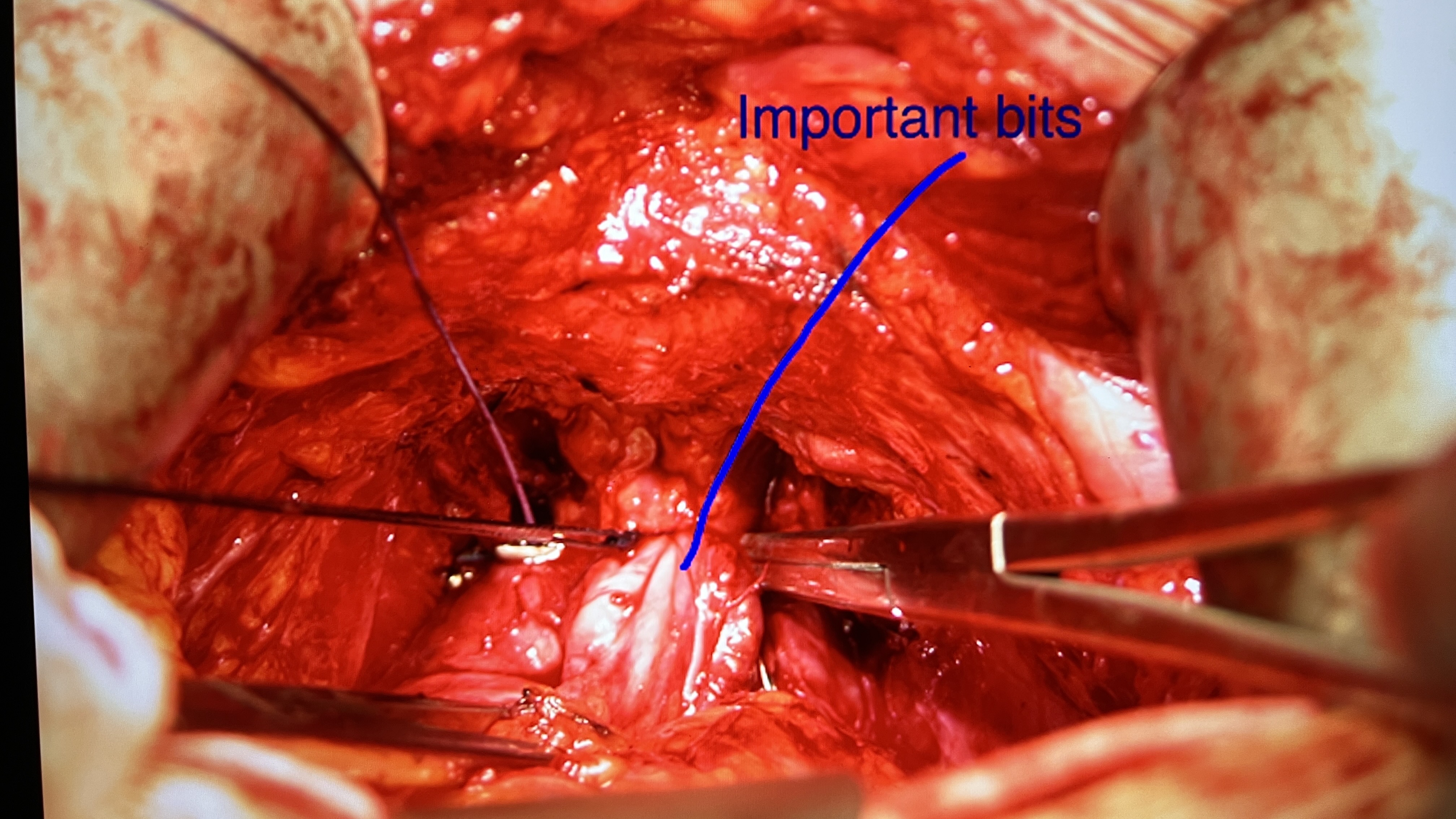
Author's operation

The prostate was removed before spread.

Contains graphic surgical image. Click to view. Graphic operative photograph from prostate removal surgery with important structures marked

This graphic operative image shows the author's prostate being removed. The practical point is not the photograph itself; it is the window of opportunity. A quiet PSA result led to diagnosis while curative surgery was still possible.
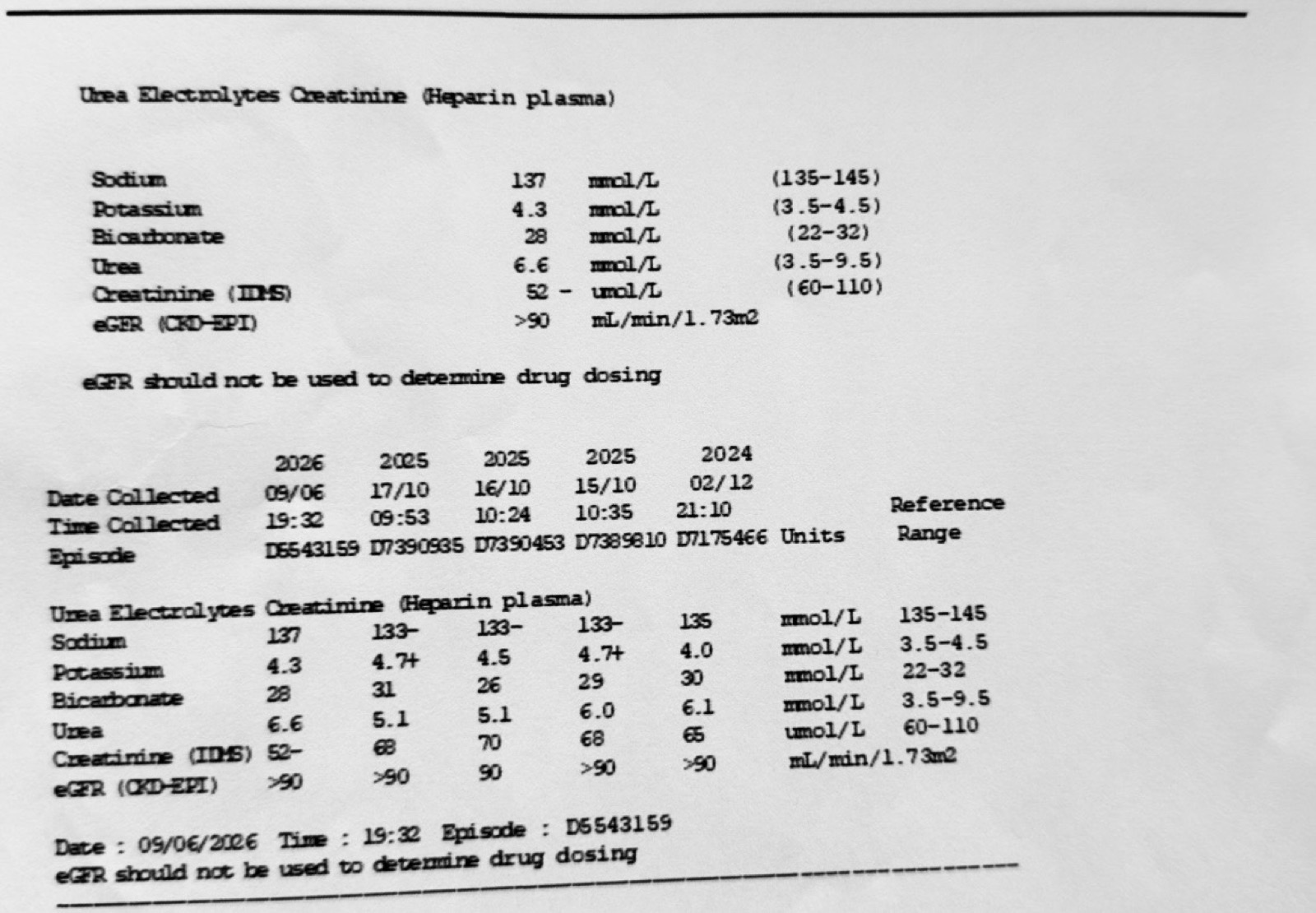
Kidney baseline

Normal kidney numbers are useful too.

Example electrolyte and creatinine report with eGFR greater than 90

A creatinine and eGFR baseline can be boring in the best possible way. It helps later when a person starts blood pressure medicines, diabetes medicines, anti-inflammatories, contrast scans, or becomes unwell and the clinician needs to know what normal used to look like.

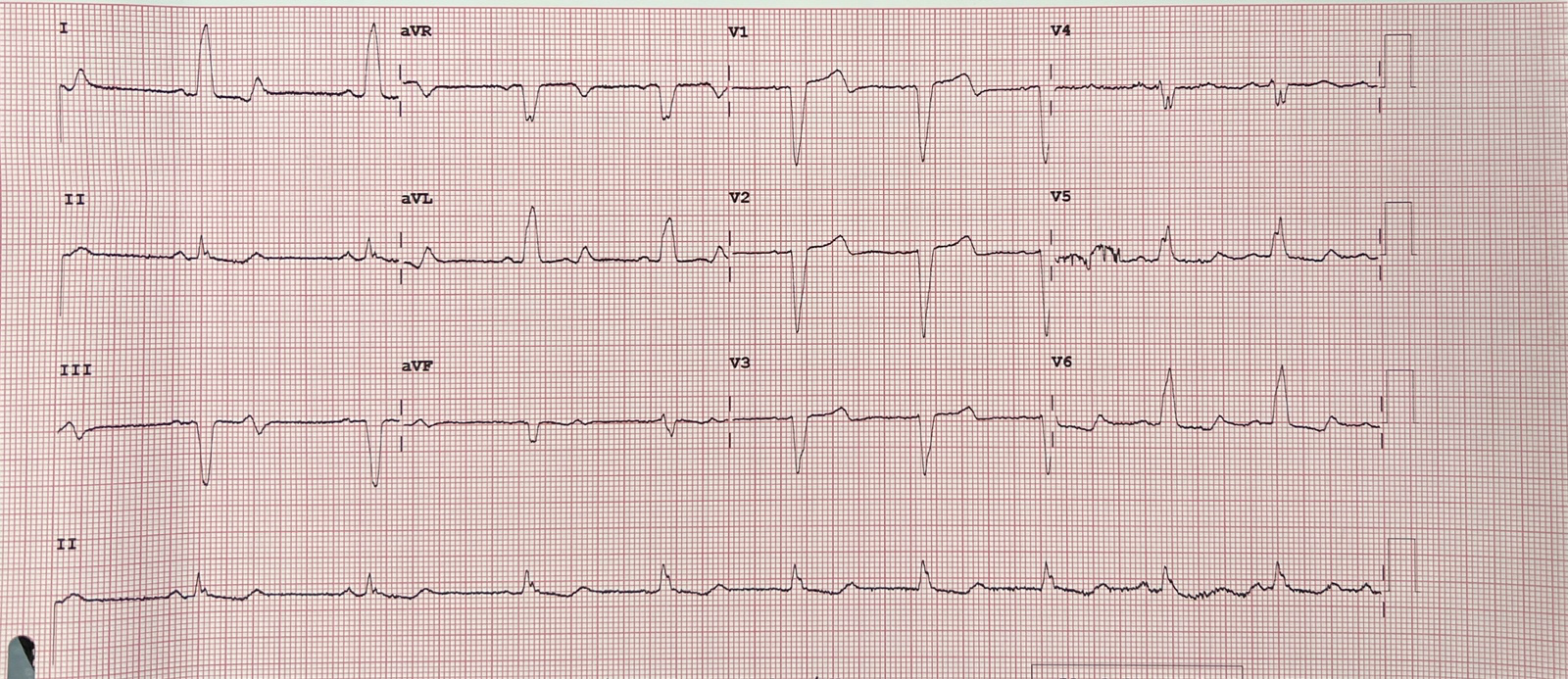
Abnormal 12-lead ECG

A conduction pattern is a finding, not a whole diagnosis.

De-identified 12-lead ECG trace showing an abnormal conduction pattern

An ECG pattern such as left bundle branch block can be old and stable, or it can matter a lot if it is new, unexplained, or paired with chest pain, breathlessness, fainting, palpitations, or poor exercise tolerance. It usually needs comparison with prior ECGs and clinical assessment rather than machine-text panic.

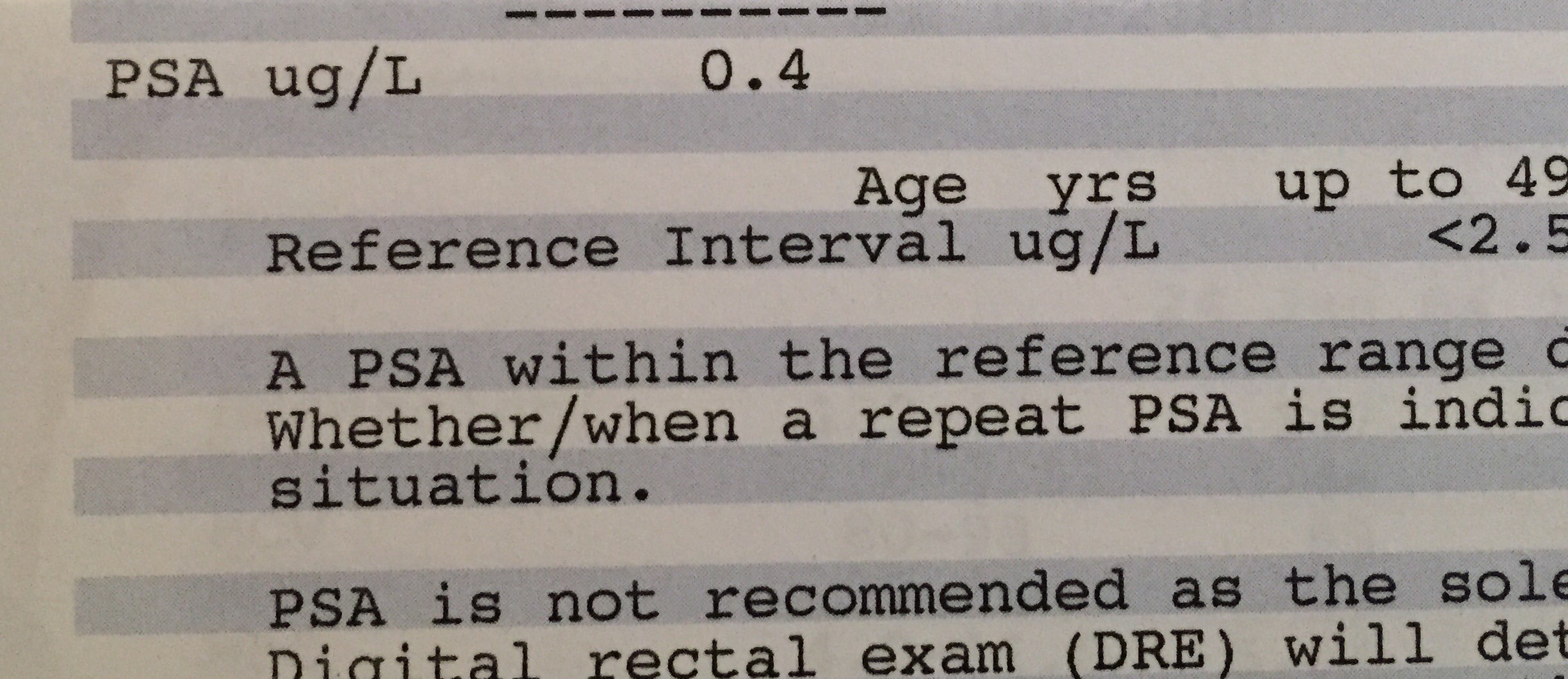
Low PSA baseline

A very low PSA can be reassuring.

Anonymized PSA result example showing PSA 0.4 ug/L

For example, a PSA around 0.4 ug/L in the early 40s is generally a low baseline. That does not mean "never test again," but it can support a calmer, less frequent follow-up plan unless family history, symptoms, or risk changes.

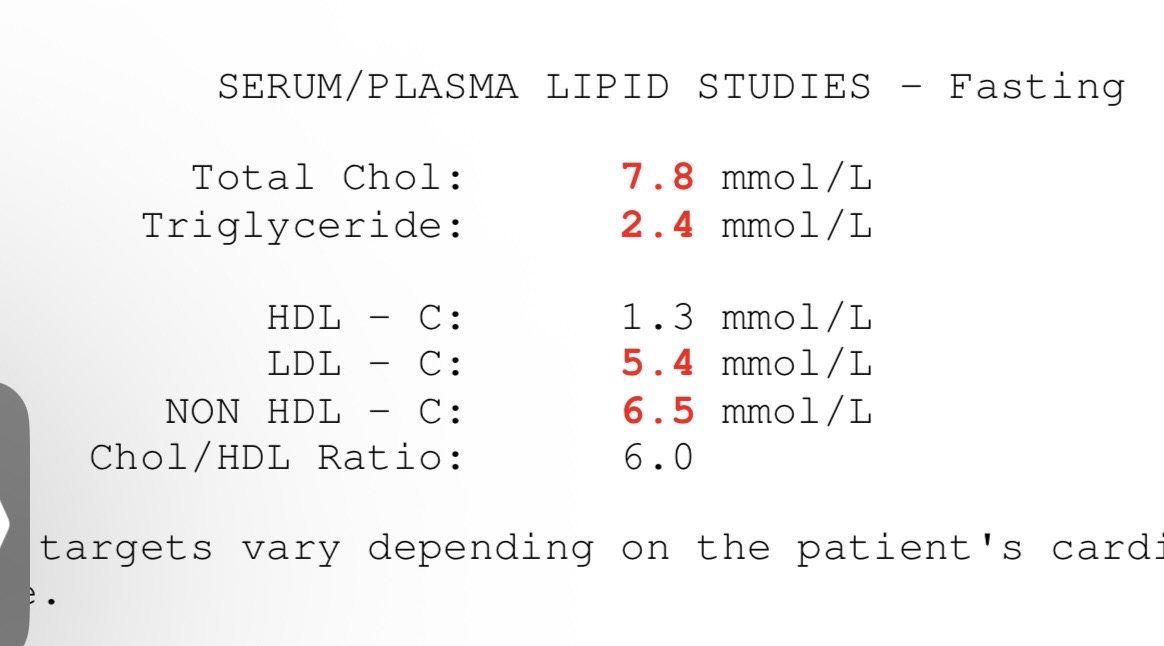
Cholesterol result

Total cholesterol 7.8, LDL 5.4: not a heart attack, but actionable.

De-identified lipid result example showing total cholesterol 7.8, triglycerides 2.4, LDL 5.4, non-HDL 6.5

A lipid result such as total cholesterol 7.8 mmol/L, LDL 5.4 mmol/L, non-HDL 6.5 mmol/L, and triglycerides 2.4 mmol/L is high enough to deserve follow-up. It should usually trigger repeat/confirmation, cardiovascular risk calculation, family-history review, secondary-cause review, and discussion of diet, weight, alcohol, exercise, smoking, statin therapy, or other lipid-lowering treatment.

Full blood count

Borderline blood count changes need context.

De-identified full blood count example showing hemoglobin, red cells, platelets, and white cells

One de-identified example: hemoglobin 133 g/L, RBC 4.22 x10^12/L, hematocrit 0.40, MCV 95 fL, MCHC 332 g/L, RDW 13.7%, platelets 213 x10^9/L, white cells 9.8 x10^9/L. The hemoglobin and RBC are just below that lab's male reference range, while platelets and total white cells are within range.

Next step is not panic. Consider prior baseline, bleeding, iron/B12/folate, kidney disease, inflammation, alcohol, medicines, recent surgery or illness, and repeat testing if unexpected or persistent.

White-cell differential

A mild neutrophil pattern often reflects stress or inflammation.

Example differential: white cells 9.8 x10^9/L, neutrophils 8.0 x10^9/L, lymphocytes 1.3 x10^9/L, monocytes 0.5 x10^9/L, eosinophils 0.0 x10^9/L, basophils 0.1 x10^9/L. Mild neutrophilia with low-ish lymphocytes can occur with acute illness, inflammation, stress response, steroid effect, smoking, or recovery after a procedure.

Trend matters. Persistent, extreme, unexplained, or symptom-linked changes need clinician review rather than isolated interpretation.

CRP trend

Inflammation can settle, and the trend tells the story.

Example CRP: current CRP 2.0 mg/L with a reference of less than 5.0, after earlier elevated values above 20-70 mg/L. CRP is a nonspecific inflammation marker; infection, surgery, injury, inflammatory disease, and some cancers can raise it.

A normalizing CRP can be reassuring when the person is clinically improving. A high or rising CRP without a clear reason should be interpreted with symptoms, examination, cultures, imaging, and other blood tests.

Liver tests

Normal liver tests are useful after previous spikes.

De-identified liver function tests example showing bilirubin, ALP, ALT, GGT, protein, albumin, and globulin

Example current liver results: bilirubin 16 umol/L, alkaline phosphatase 62 U/L, ALT 29 U/L, GGT 11 U/L, protein 74 g/L, albumin 44 g/L, globulin 30 g/L. These sit within the displayed reference ranges.

Earlier spikes in ALT or GGT can follow alcohol, fatty liver, viral illness, medicines, supplements, bile-duct problems, muscle injury, or lab timing. The useful response is to repeat, review causes, and investigate persistent or severe abnormalities.

Familial cholesterol

Very high LDL can point to inherited risk.

LDL around 5 mmol/L or higher, especially when persistent or combined with early heart disease in relatives, can suggest familial hypercholesterolemia. Next steps may include repeat fasting lipids, ApoB, Lp(a), thyroid and diabetes checks, secondary-cause review, and sometimes genetic testing or cascade testing for relatives.

Do not panic

Abnormal does not mean unexplained.

Lipids can be affected by diet, alcohol, weight, diabetes, thyroid disease, kidney disease, liver disease, pregnancy, medicines, and genetics. PSA can be affected by infection, inflammation, ejaculation, cycling, procedures, prostate size, and cancer. The pattern is the point.

Colon and reflux

Some wins are quieter than cancer treatment.

A colon polyp found and removed at 45 may prevent a future cancer, especially when follow-up colonoscopies stay clear. Barrett's esophagus after years of severe GERD/GORD reflux is another example: fundoplication can control reflux for selected people, but Barrett's still needs surveillance even after symptoms improve. See refluxsurgery.com.

Abnormal results

The result is the start of a question, not the whole answer.

Many results sit just outside the reference range. Reference ranges are usually built so that some healthy people fall outside them. The next step depends on how abnormal the result is, whether it fits your symptoms, whether it was repeated, and whether several related markers point in the same direction.

Cost matters too. A cheap blood test can become expensive if it triggers scans, specialist appointments, or biopsies that do not improve outcomes. That does not mean avoid testing; it means test with a reason and a plan.

Do act quickly for clearly dangerous findings: very high blood pressure with symptoms, severe anemia, very high glucose with illness, chest pain, stroke symptoms, black stools, major bleeding, severe kidney changes, or imaging that is suspicious for cancer.

For mild changes, the sensible path is often repeat, confirm, then treat the actual condition: diabetes, high blood pressure, high cardiovascular risk, cancer, kidney disease, thyroid disease, iron deficiency, depression, sleep apnea, or another defined issue.

When to test

Use age checkpoints plus targeted follow-up, not automatic test panels.

40

Risk baseline

Blood pressure, lipid baseline, diabetes risk, family history, reproductive history where relevant, mental health, vaccines, and symptom-led screening.

50

Screening catch-up

Colorectal screening should be current, vaccines follow local rules, and baseline checks such as BP, lipid pattern, cardiovascular risk score, A1C/glucose, creatinine/eGFR, ECG when symptoms/family history/risk justify it, and sometimes blood count can be reviewed.

60

Function and prevention

Falls risk, hearing, vision, bone risk, heart risk, cancer screening intervals, medicines, kidney function, alcohol effects, and independence planning.

70+

Personalized value

Testing should reflect health, life expectancy, goals, frailty, prior screening, and whether a result would change treatment.

Sources

Good medical reference sites are not all the same.

Use public guideline bodies for what to do in ordinary care, cancer agencies for patient-facing explanations, and journals or Cochrane when you want to understand the evidence fight underneath the recommendation.